
DIPPER Lab Partners in ProREG & Brew‑Hammond Workshop on E‑Learning and AI in Academia
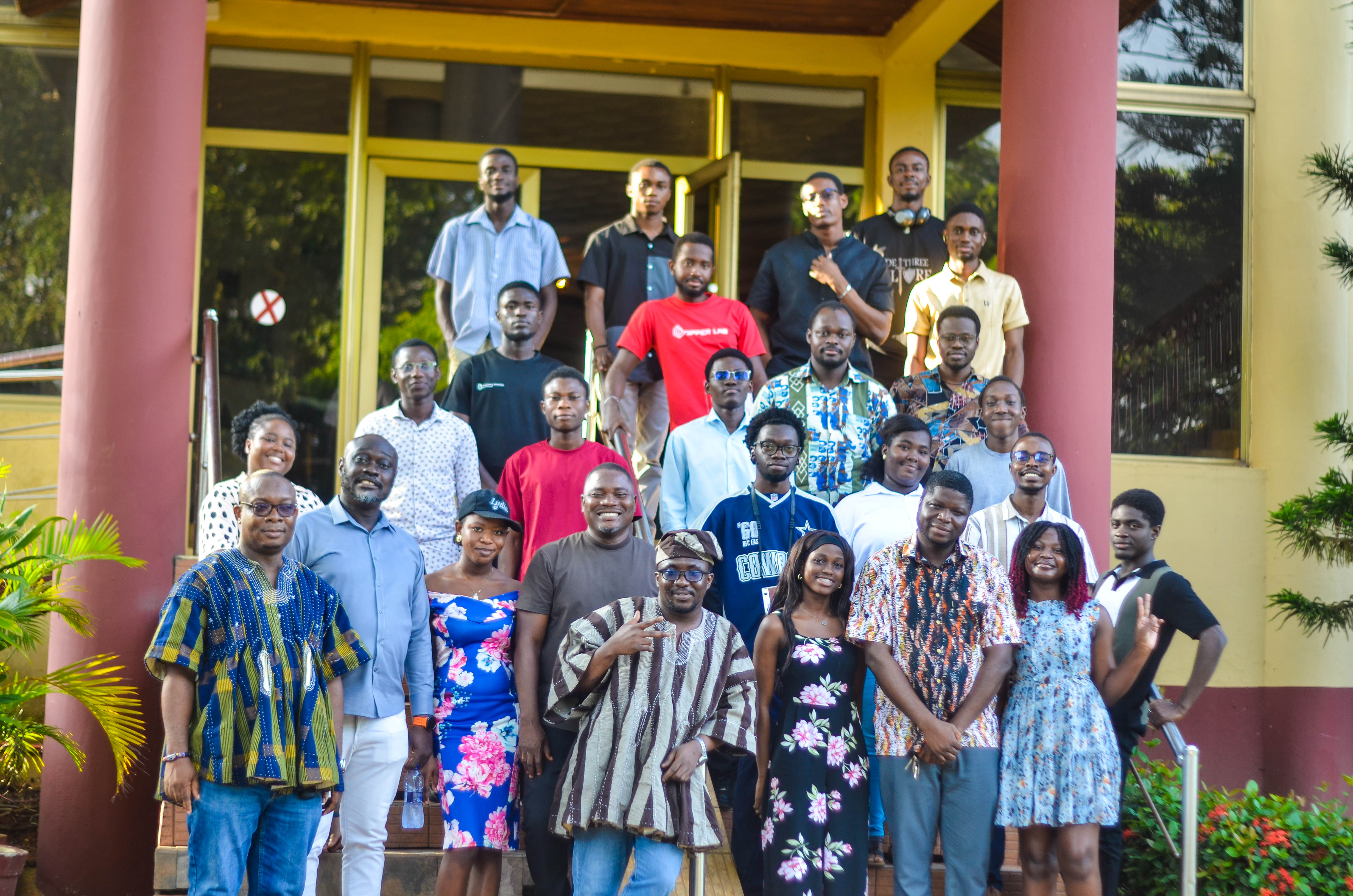
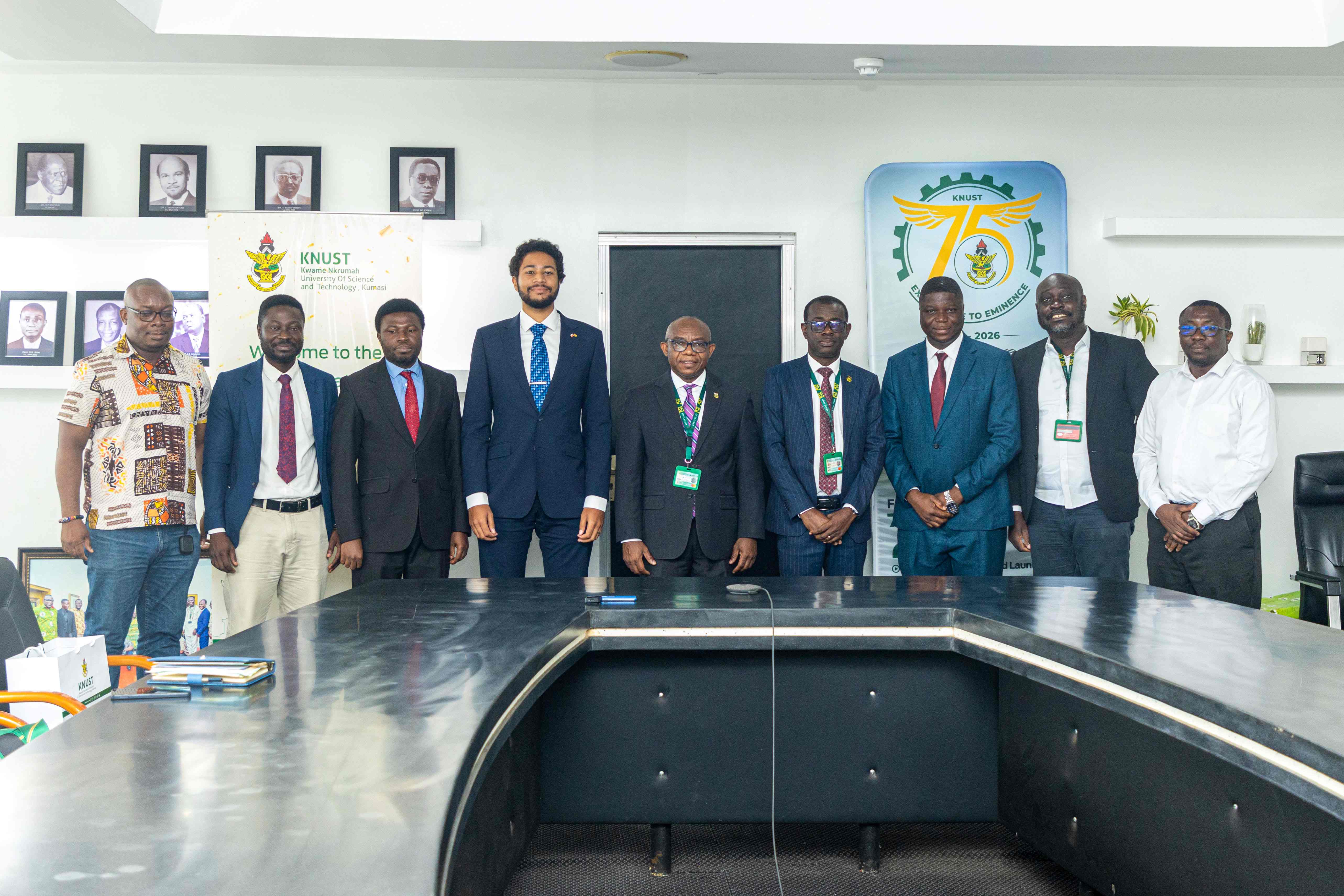
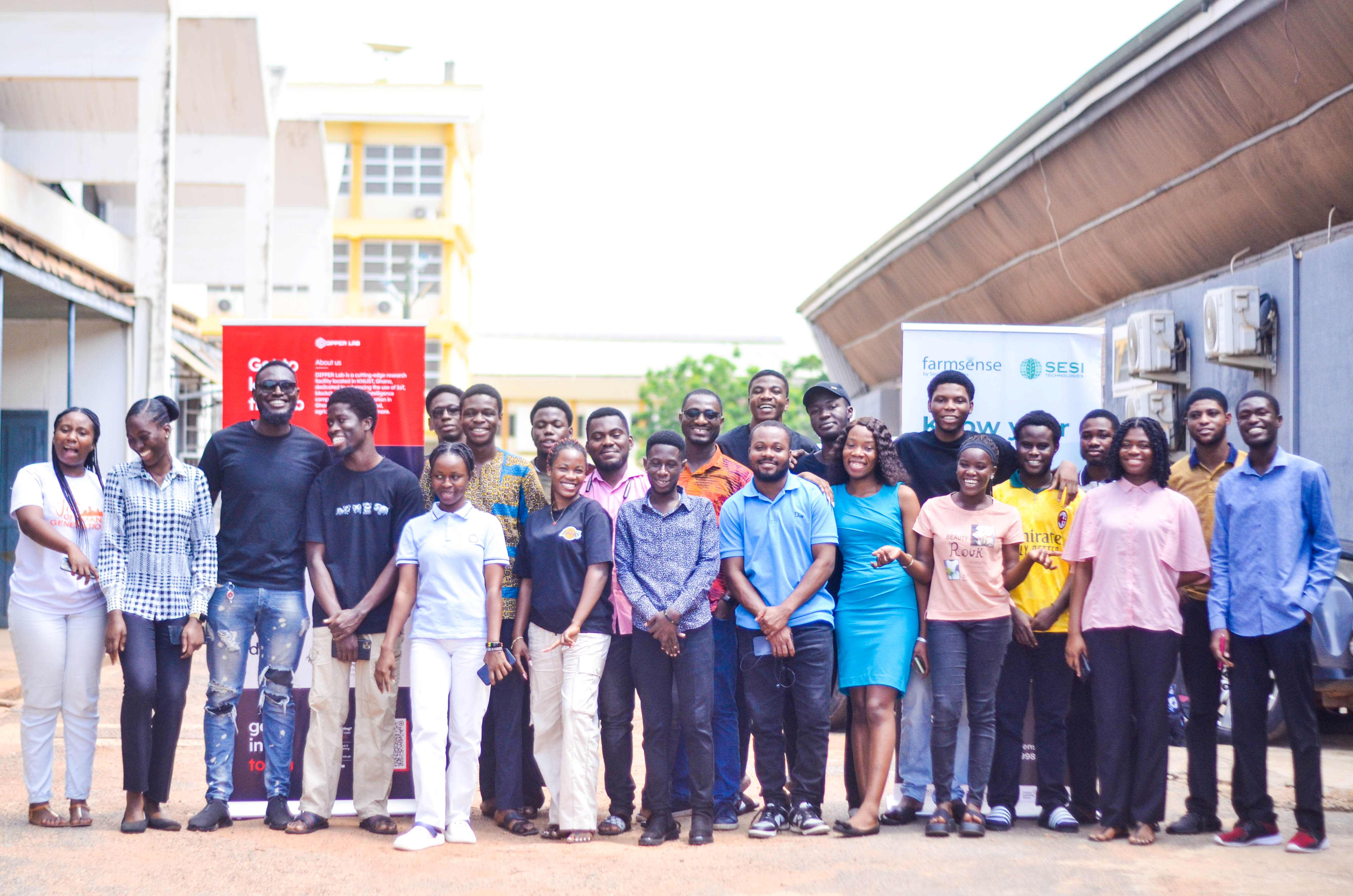
The Professional Education for Renewable Energy in Ghana (ProREG) project and the Brew‑Hammond Energy Centre organised a hands‑on workshop on e‑ learning and AI‑ powered tools for academic teaching and research, with DIPPER Lab serving as a key partner in the training.
The event gathered lecturers, researchers, and postgraduate students, to develop their capacity in applying digital pedagogy and AI-assisted research methods.
At the heart of the training were sessions on designing interactive online lectures and labs, using e‑learning tools such as discussion boards and breakout rooms, and building assessments (quizzes, assignments) with automated grading.
The Deputy Scientific Director of DIPPER Lab, Dr. Andrew Selasi Agbemenu stressed the importance of always having a backup plan while introducing participants to interactive tools.
Deputy Scientific Director of DIPPER Lab, Dr. Andrew Selasi Agbemenu
He advised that, “always have a backup plan, test tools beforehand, provide clear instructions”
Participants also learned how to maintain academic integrity through plagiarism detection and how to give real-time feedback while managing peer review.
On the research front, the workshop introduced Elicit and Semantic Scholar, two powerful AI tools.
Under guided practice, participants explored how Elicit can act as a “research assistant”, helping with literature reviews, summarising academic papers, and finding relevant sources.
DIPPER Lab’s Training and Programmes Coordinator Lead, Dr. Henry Nunoo‑Mensah, cautioned attendees on the responsible use of AI.

Training and Programmes Coordinator Lead, Dr. Henry Nunoo‑Mensah
Elicit is a research assistant, so when it generates an output, you have to review it, don’t just leave it or use the output as provided,” he said, emphasizing the need for human review of AI-produced content.
By collaborating in this initiative, DIPPER Lab is supporting Ghana’s academic community in gaining modern digital skills, positioning educators and researchers to teach, learn, and innovate more effectively in a fast-evolving technological landscape.