
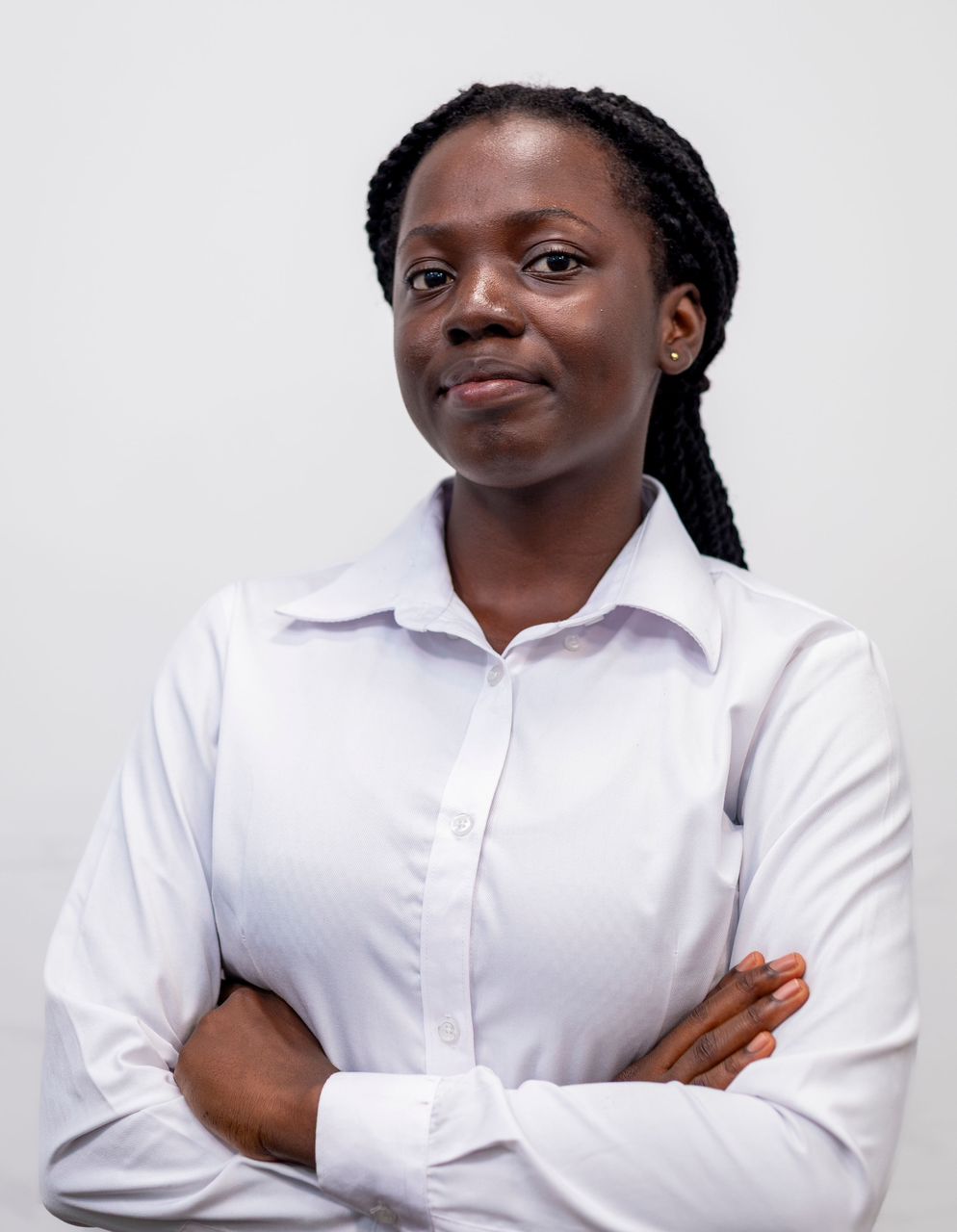
Erica Afriyie Anti is a Biomedical Engineering graduate with a strong interest in developing practical and affordable medical solutions for neonatal and materna...
Erica Afriyie Anti is a Biomedical Engineering graduate with a strong interest in developing practical and affordable medical solutions for neonatal and maternal care. She is calm, curious, and detail-oriented, and she enjoys work that challenges her to think, build, learn, and grow.
She currently works as a Research Assistant at the DIPPER Lab, where she supports medical device research and development under the guidance of senior engineers and researchers. Her role includes reviewing scientific literature, assisting with prototypes, helping with testing procedures, and contributing to team discussions. Working in the lab has helped her understand how engineering ideas are shaped, tested, and improved before they become usable devices. Erica values the hands-on learning and the opportunity to contribute meaningfully while still growing in her field.
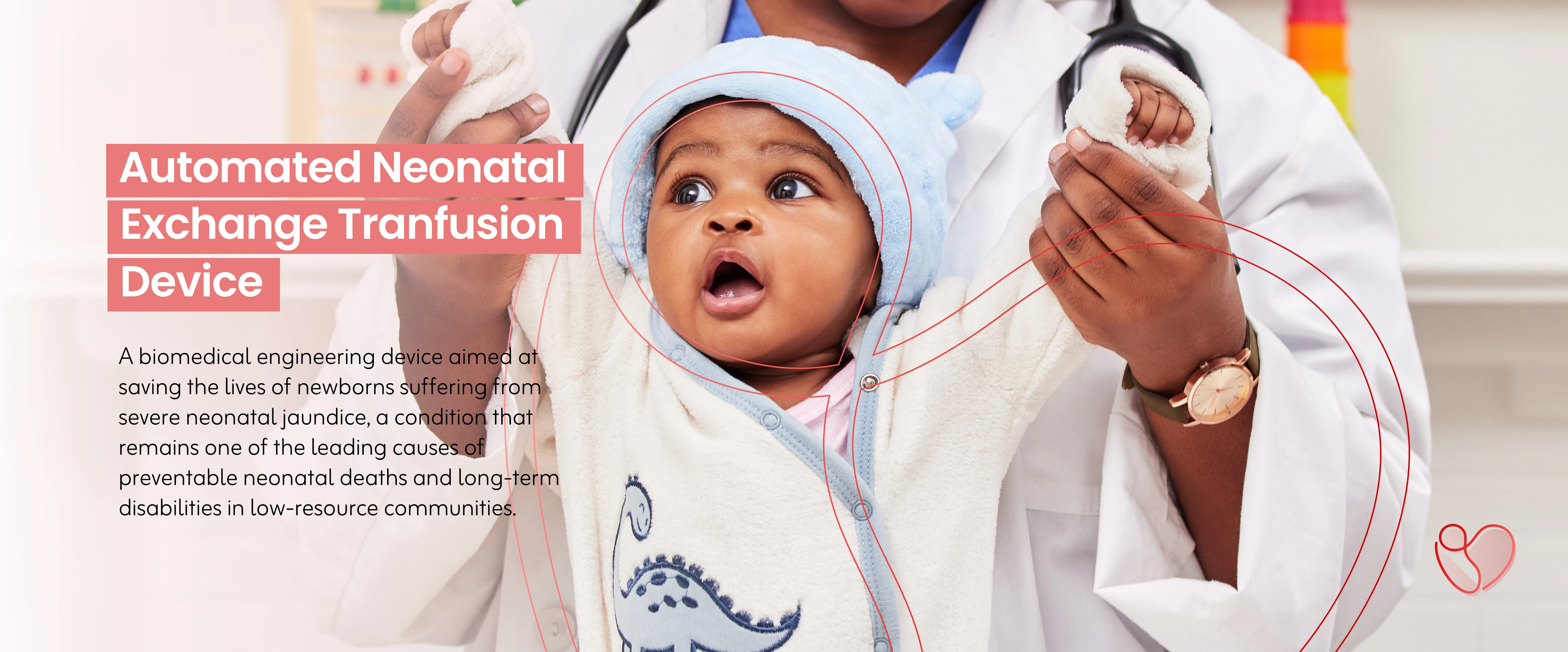
A major part of her work involves the Automated Neonatal Exchange Transfusion (ANET) project. The ANET device has gone through several versions, and the current prototype is being fine-tuned and prepared for the animal testing phase. Erica supports the team by assisting with mechanical adjustments, electrical improvements, and system tests that help ensure the device is safe, stable, and ready for each stage of evaluation. Her involvement has taught her the importance of patience and precision in medical device development, especially when it concerns neonatal care.
Alongside her technical work, Erica is also expanding her skills in data analytics. She is learning how data can guide decision-making in biomedical engineering, from understanding patient needs and device performance to improving system reliability. For her, data analytics is not just a digital skill; it is a tool that strengthens her ability to design and evaluate medical devices with evidence and clarity.
On a personal level, Erica is passionate about neonatal health technologies, low-resource medical device design, and any work that brings engineering closer to the everyday realities of patient care. She enjoys problem-solving, learning new skills, and being part of a team where ideas are shared freely and growth is encouraged. She hopes to continue building a career in biomedical engineering where she can contribute to technologies that are simple, safe, and accessible especially in settings where innovation is needed the most.
 Featured