

Andrew Selasi Agbemenu is a lecturer in the Department of Computer Engineering at the Kwame Nkrumah University of Science and Technology (KNUST), Kumasi, Ghana,...
Andrew Selasi Agbemenu is a lecturer in the Department of Computer Engineering at the Kwame Nkrumah University of Science and Technology (KNUST), Kumasi, Ghana, where he has served since 2012. He leads the TI Microelectronics Lab at KNUST and is a researcher with the Responsible AI Lab (RAIL, KNUST). He is a member of the IEEE Circuits and Systems Society (CASS) and the IEEE Solid-State Circuits Society (SSCS).
He received his BSc in Electrical and Electronic Engineering, MSc in Telecommunication Engineering, and PhD in Computer Engineering from KNUST. He was a visiting scholar at the Analog and Mixed-Signal Center, Texas A&M University, USA.
Prior to joining the department, he worked as a systems programmer with University Information Technology Services, where he was responsible for deploying open-source technologies for user and email management, as well as configuring switching, routing, and security solutions.
His research interests include analog and mixed-signal design, low-power data converters, and the application of AI in analog design, as well as the use of AI, blockchain, and IoT in traceability systems. He has taught courses such as VLSI Design, Fault Diagnosis and Failure Tolerance, Linear Electronic Circuits, Semiconductor Devices, and Basic Electronics.
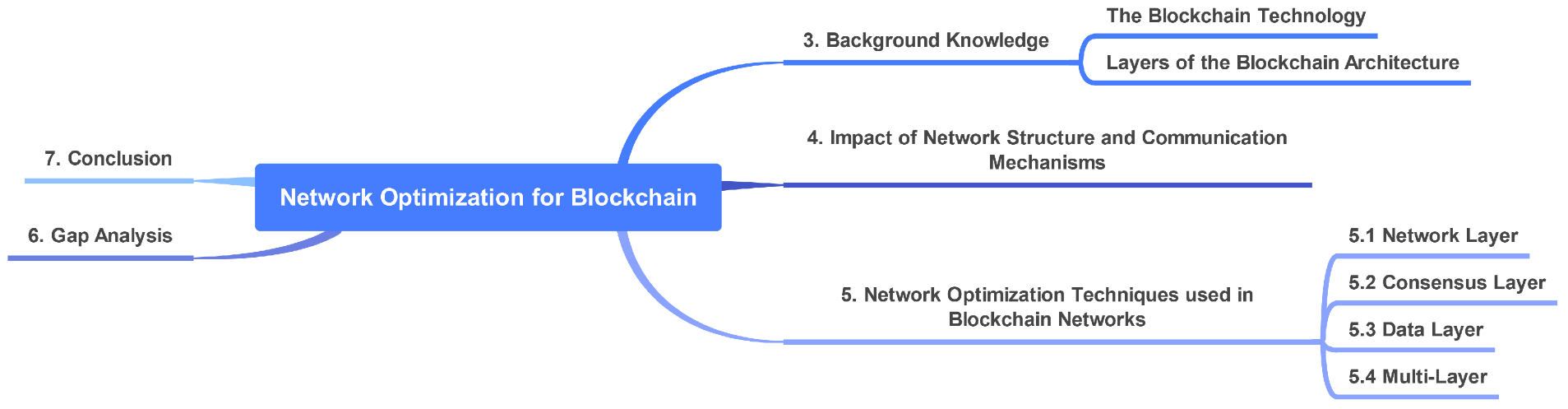
Axel Sikora, James Dzisi Gadze, Kwame Opunie-Boachie Obour Agyekum, Justice Owusu Agyemang, Dominik Welte
The increase of the Internet of Things (IoT) calls for secure solutions for industrial applications. The security of IoT can be potentially improved by blockchain. However, blockchain technology suffers scalability issues which hinders integration with IoT. Solutions to blockchain’s scalability issu
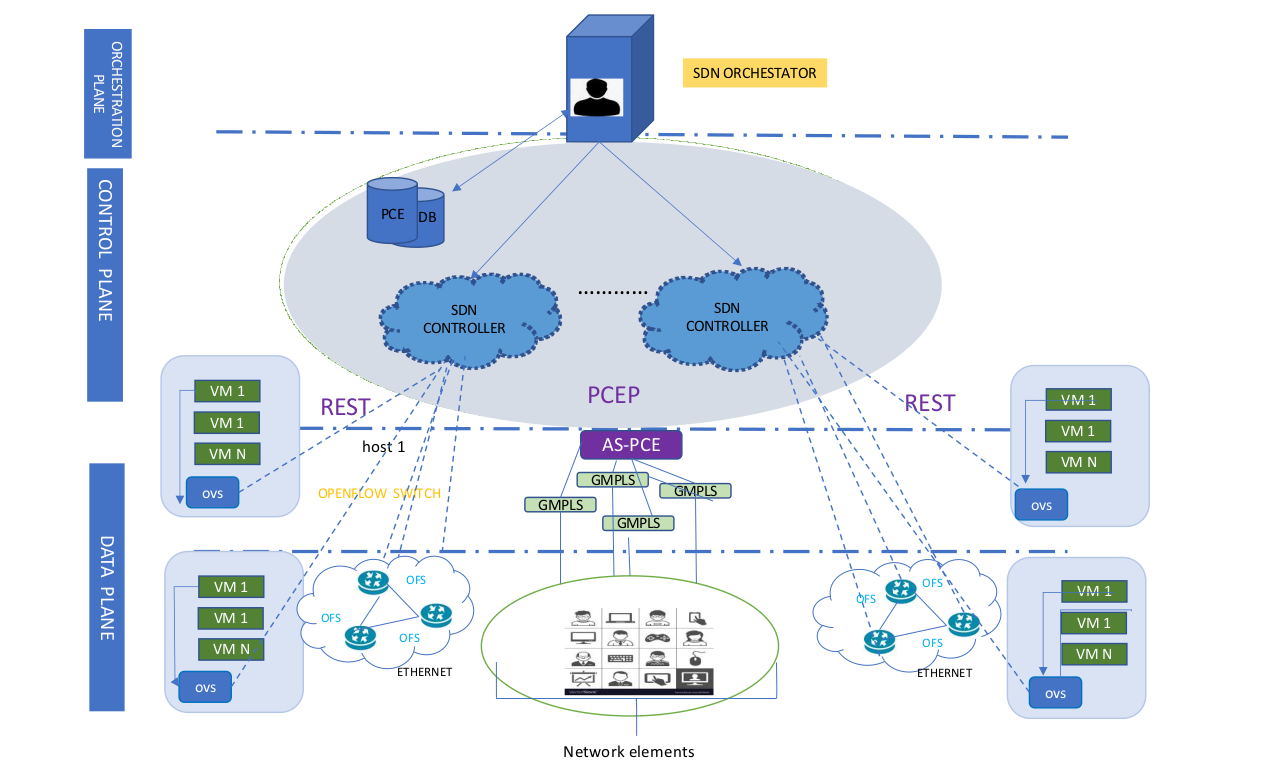
Kenneth Nsafoa-Yeboah, Bright Yeboah-Akowuah, Benjamin Kommey, Mohammad Monirujjaman Khan
Optical networks offer a wide range of benefits to the telecommunication sector worldwide with their provision of higher bandwidth, which leads to faster data speed, longer transmission distance, and improved latency. Currently, the complexity associated with advancements in optical networks poses p
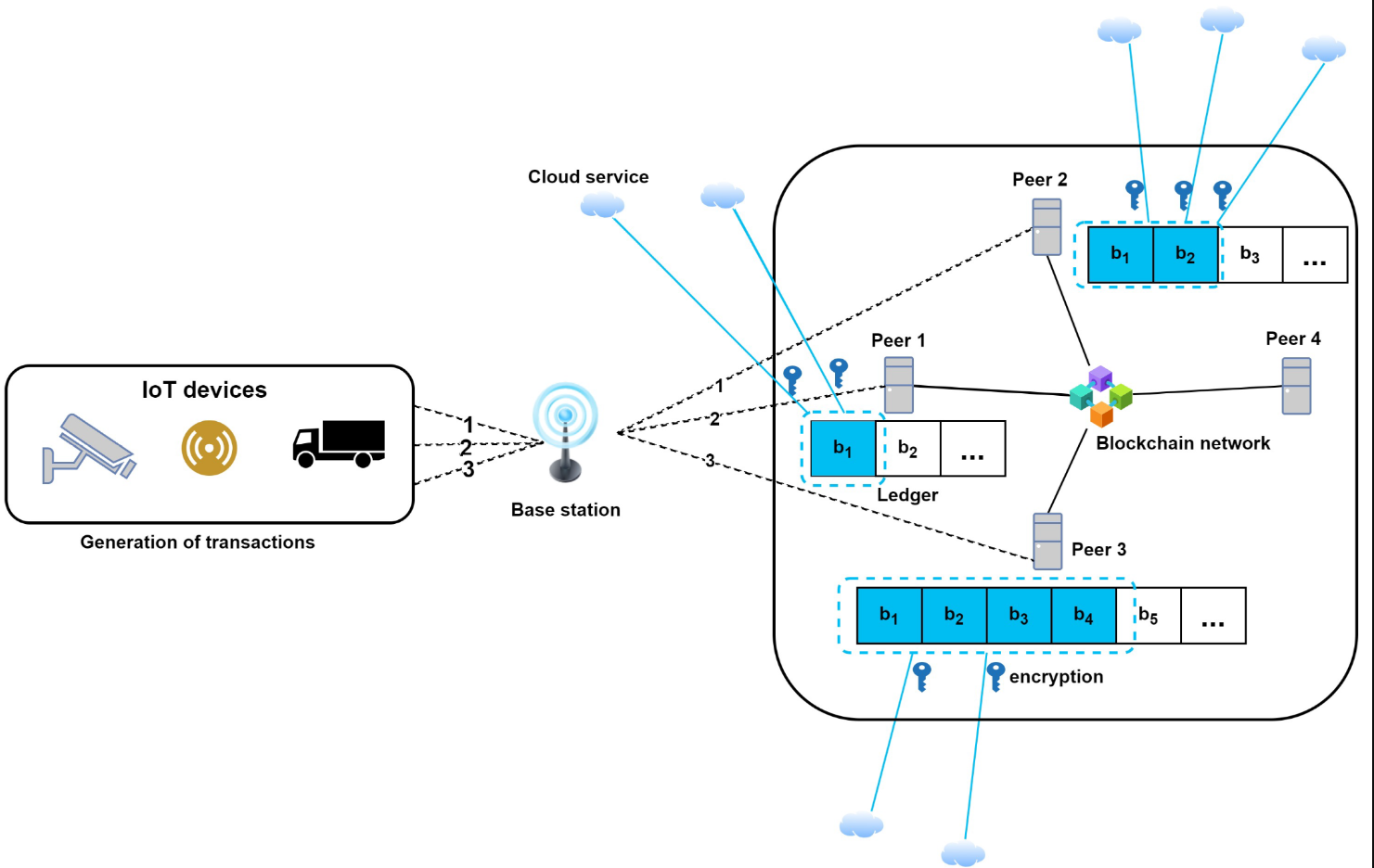
Axel Sikora, Dominik Welte
Since the inception of blockchain-based cryptocurrencies, researchers have been fascinated with the idea of integrating blockchain technology into other fields, such as health and manufacturing. Despite the benefits of blockchain, which include immutability, transparency, and traceability, certain i
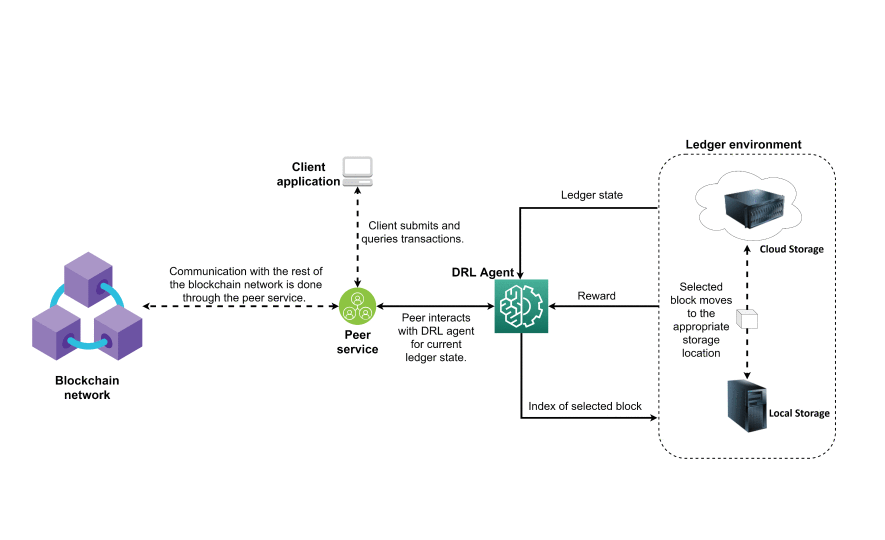
Axel Sikora, Dominik Welte, Jerry John Kponyo
Blockchain-IIoT integration into industrial processes promises greater security, transparency, and traceability. However, this advancement faces significant storage and scalability issues with existing blockchain technologies. Each peer in the blockchain network maintains a full copy of the ledger w


 Featured