
Edna Atisu is a recent Biomedical Engineering graduate from Kwame Nkrumah University of Science and Technology (KNUST), Class of 2025, with a growing specializa...
Edna Atisu is a recent Biomedical Engineering graduate from Kwame Nkrumah University of Science and Technology (KNUST), Class of 2025, with a growing specialization at the intersection of embedded systems engineering and healthcare innovation. She currently serves as a Research Assistant in the Distributed IoT Platforms, Privacy, and Edge-Intelligence Research (DIPPER) Lab, Health Team. Edna is working to design, develop, and evaluate digital health technologies that address real-world clinical needs. Her work sits at the exciting convergence of electronics, computing, and human-centered healthcare—driven by a commitment to improving clinical outcomes for underrepresented and vulnerable populations, especially preterm infants.
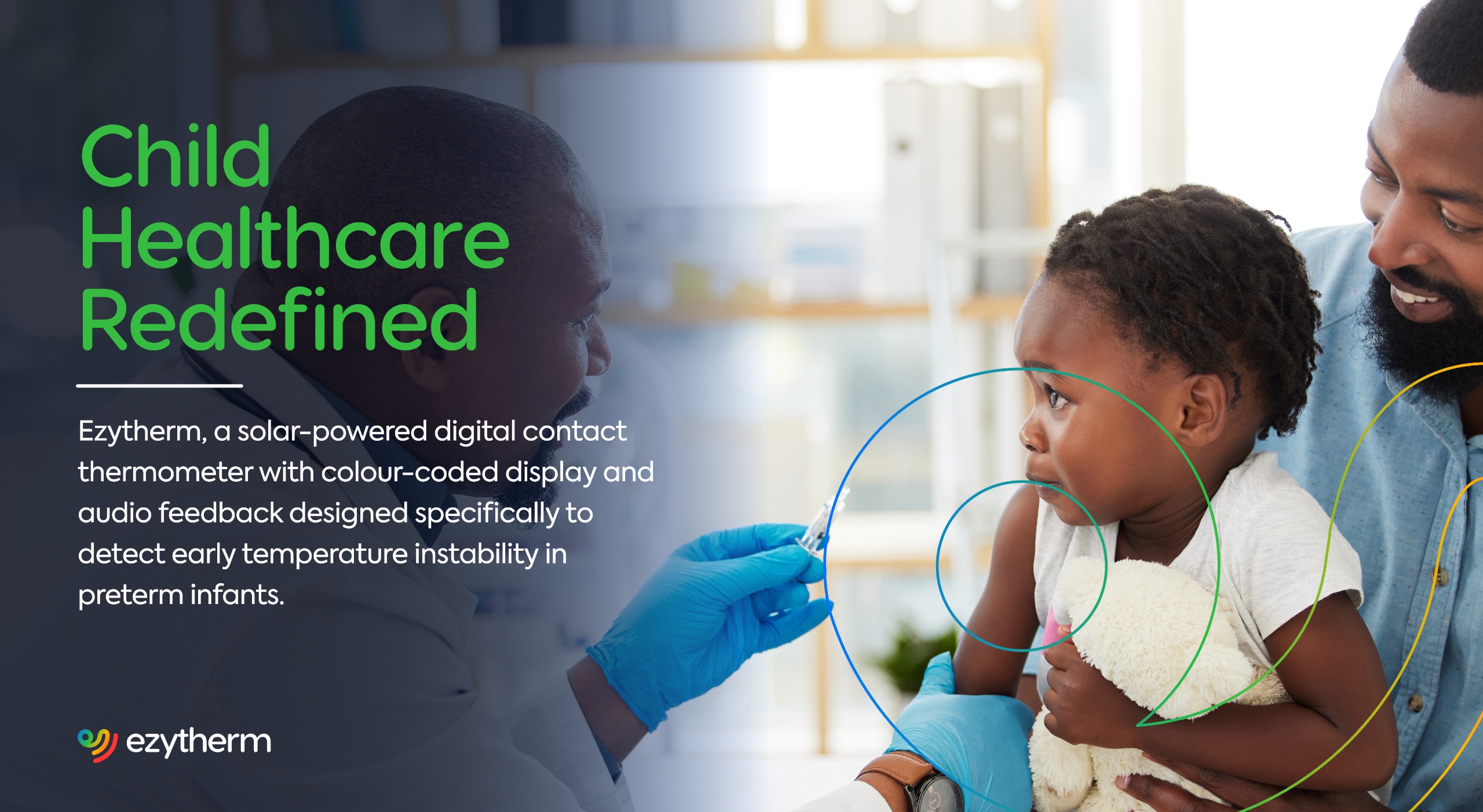
Edna’s core engineering passion lies in embedded systems, which she believes form the foundation of nearly every modern technological breakthrough—from smart wearables to medical devices. She sees embedded systems not just as circuits and code, but as a powerful medium for transforming patient care, enabling low-cost diagnostics, and democratizing access to essential medical tools. This passion is what fuels her work on EzyTherm, a neonatal temperature-monitoring device she is designing for DIPPER Lab. She approaches healthcare challenges as engineering opportunities—where precision sensing, low-power design, and intuitive user interfaces can be combined to create scalable, impactful solutions.
In her role at the lab, Edna contributes to device prototyping, PCB design, sensor integration, power optimization, and system validation. She applies both her technical training and her understanding of patient-centered healthcare to ensure that the solutions she builds are not only functional but meaningful in context. Her dedication to continuous learning, evidence-based design, and socially driven engineering underscores her long-term vision: to build medical technologies that bridge the gap between underserved clinical realities and cutting-edge innovation.
Edna is motivated by the belief that the future of healthcare depends on accessible, innovative, and culturally relevant technologies. Through projects like EzyTherm and her role in health-focused IoT research, she is charting a path as an engineer who not only solves problems—but reshapes healthcare possibilities.