DIPPER Lab workshop explores AI-driven discovery of solar energy materials
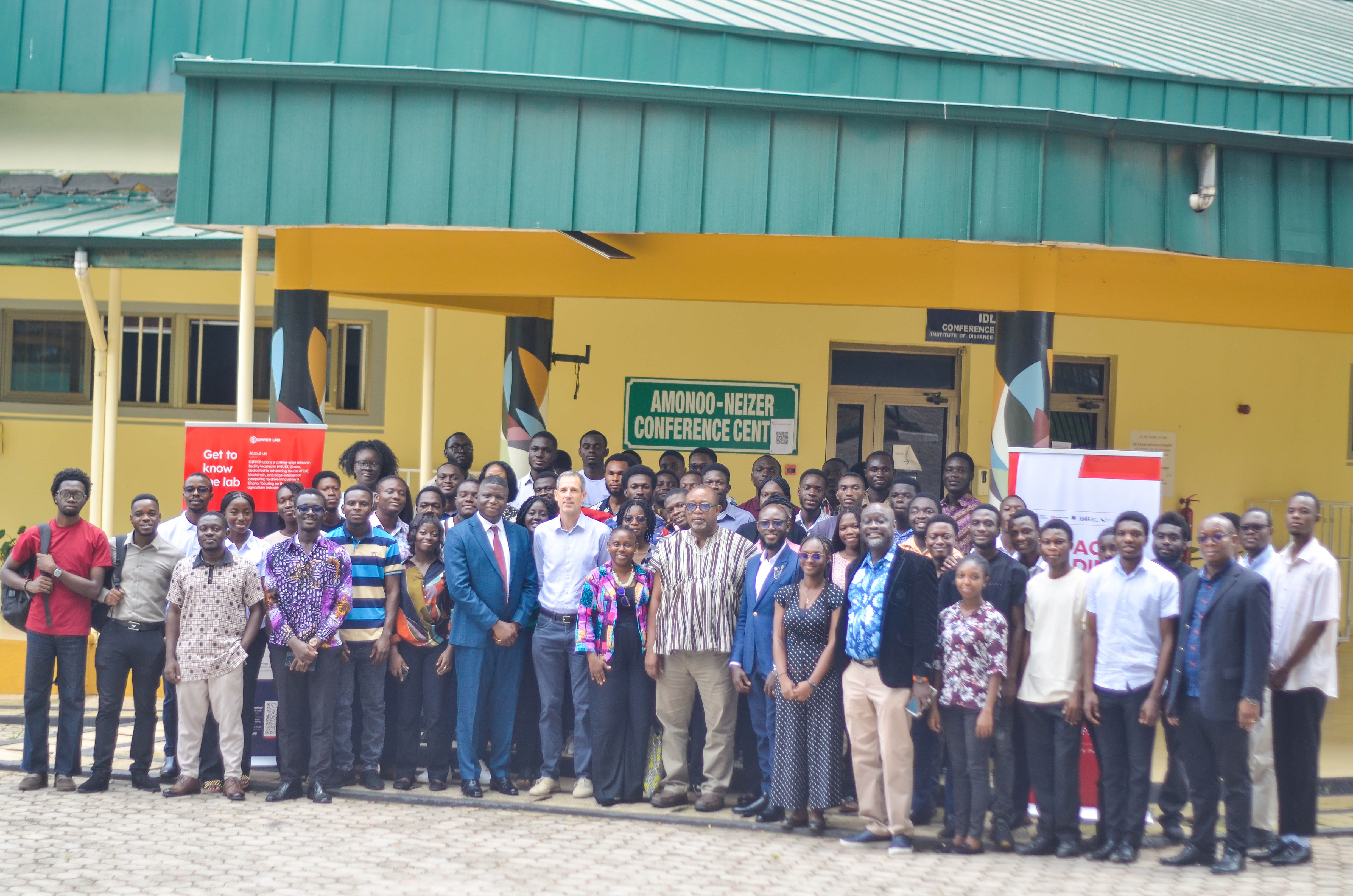
The DIPPER Lab has organised a capacity-building workshop to explore the use of generative artificial intelligence (AI) in developing stable, lead-free perovskites and high-performance organic solar cells.
The workshop was held under the NKABOM Project, funded by the French Embassy in Ghana, and brought together researchers to examine how AI, computer simulations and experimental methods can accelerate the discovery of materials for solar energy applications.
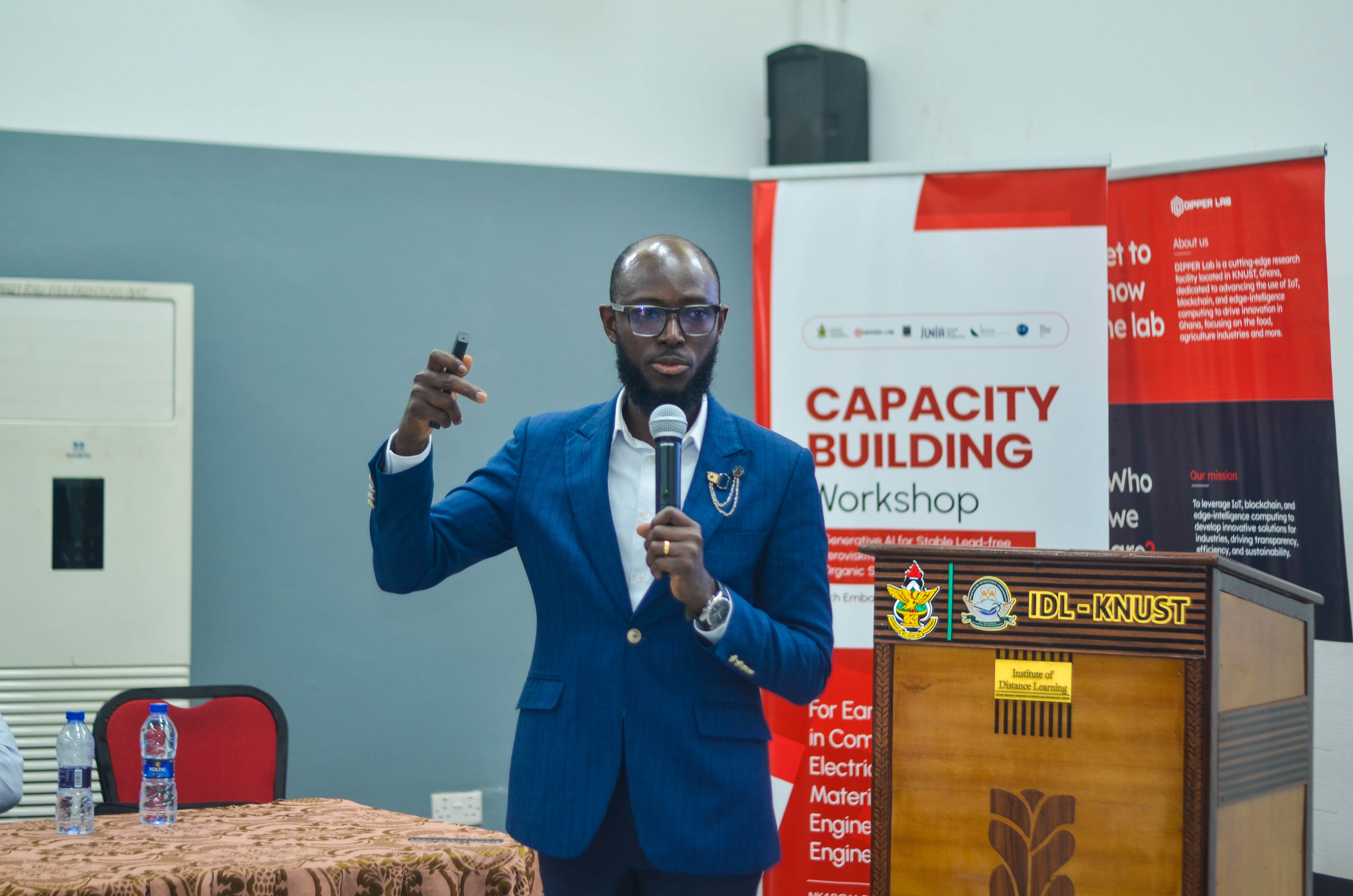
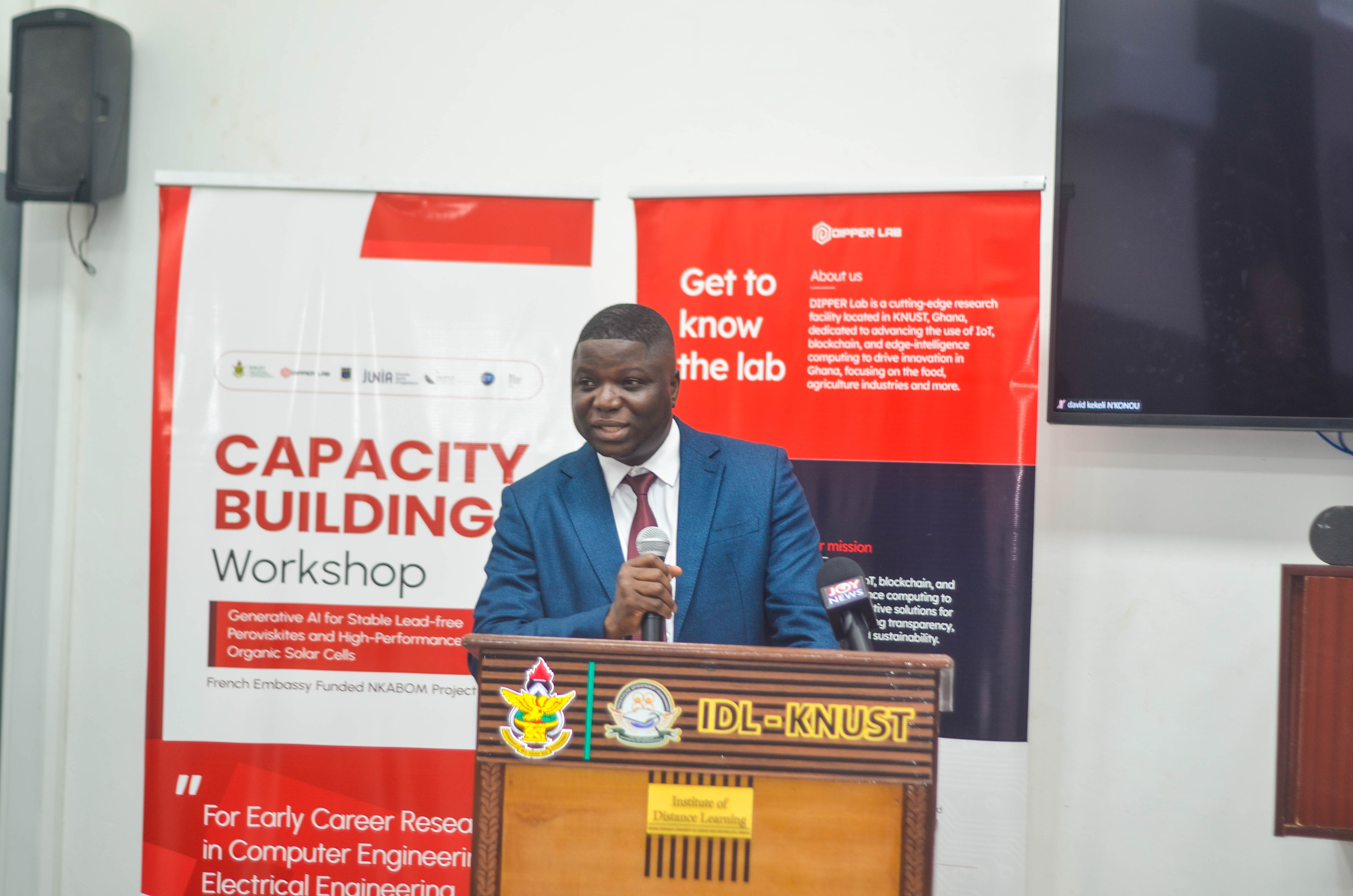
Prof. Eric Tutu Tchao, Scientific Director of DIPPER Lab and Head of the Department of Computer Science at the Kwame Nkrumah University of Science and Technology (KNUST), gave an overview of the KNUST–JUNIA NKABOM Project.
He encouraged research students and associates to identify common research interests and explore opportunities for collaboration.
“I hope that, at the end of the day, we can work to improve internal collaboration in addition to the external ones.. I encourage research students and associates to discuss projects that align with their research interests,” he said.
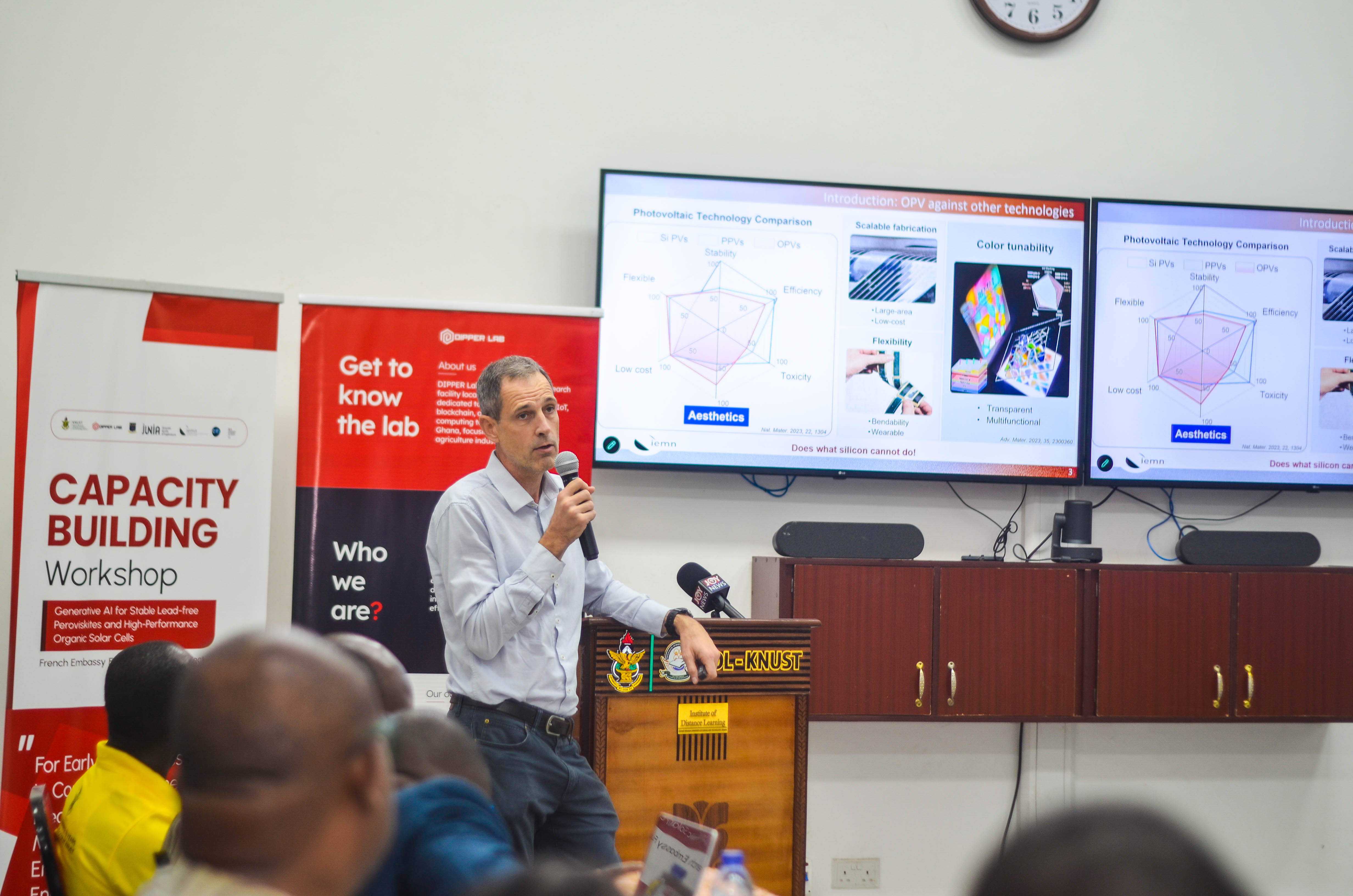
Dr. Bruno Grandidier of IEMN-CNRS and the Department of Physics at JUNIA-ISEN presented on “How Optical Design Makes Semitransparent Organic Photovoltaics More Versatile.” He highlighted the role of simulation in reducing the time and resources needed to develop solar technologies.
He urged researchers to “combine theoretical and experimental approaches to accelerate the development of solar technologies, particularly in the face of climate change”.
Dr. Joseph Asare, Senior Lecturer in the Department of Physics at the University of Ghana, presented on the frontiers of flexible photovoltaic cells. He emphasised the need for researchers to consider how solar technologies perform under everyday conditions.
“If flexible solar technologies are to leave the lab and enter everyday life, we must design them not only to convert light efficiently, but also to endure the way the real world bends them,” he said.
His presentation highlighted the need to develop flexible solar cells that combine energy conversion efficiency with the durability required for practical applications.
Dr. Kekeli N'Konou, Assistant Professor at JUNIA-ISEN and researcher at IEMN-CNRS, presented on AI-driven discovery of high-efficiency organic photovoltaics.
His presentation examined how AI could support the search for materials and designs that improve the performance of organic solar cells.
The workshop concluded with a presentation titled “Accelerating the Discovery of Next Generation Photovoltaic Materials” by Dr. Andrew Selasi Agbemenu, Deputy Scientific Director of DIPPER Lab, and Eli Bansa, a researcher at the Lab.
By combining computational methods with laboratory experiments, researchers aim to accelerate the development of solar cell materials with improved efficiency, stability and potential for practical applications.