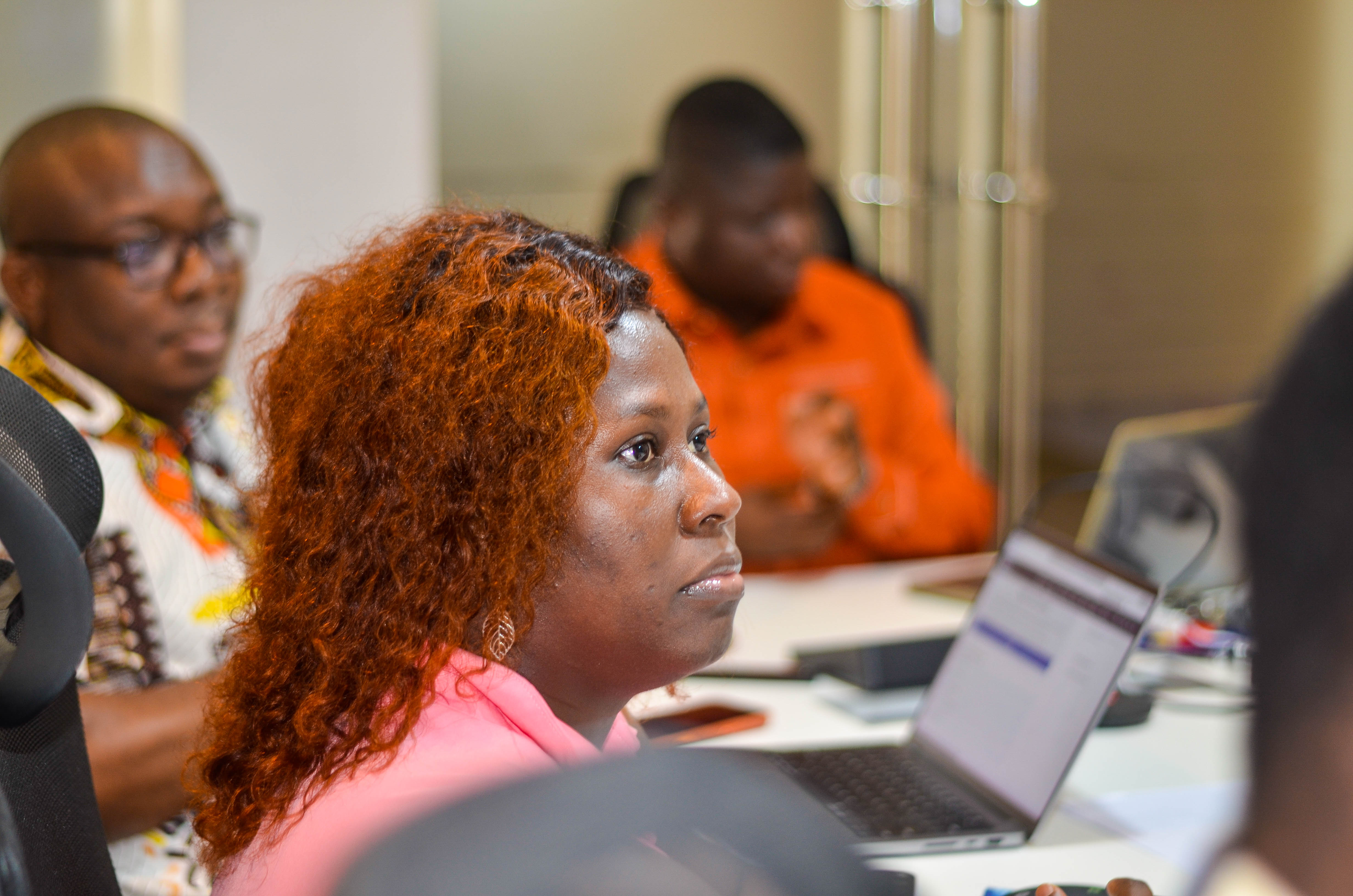
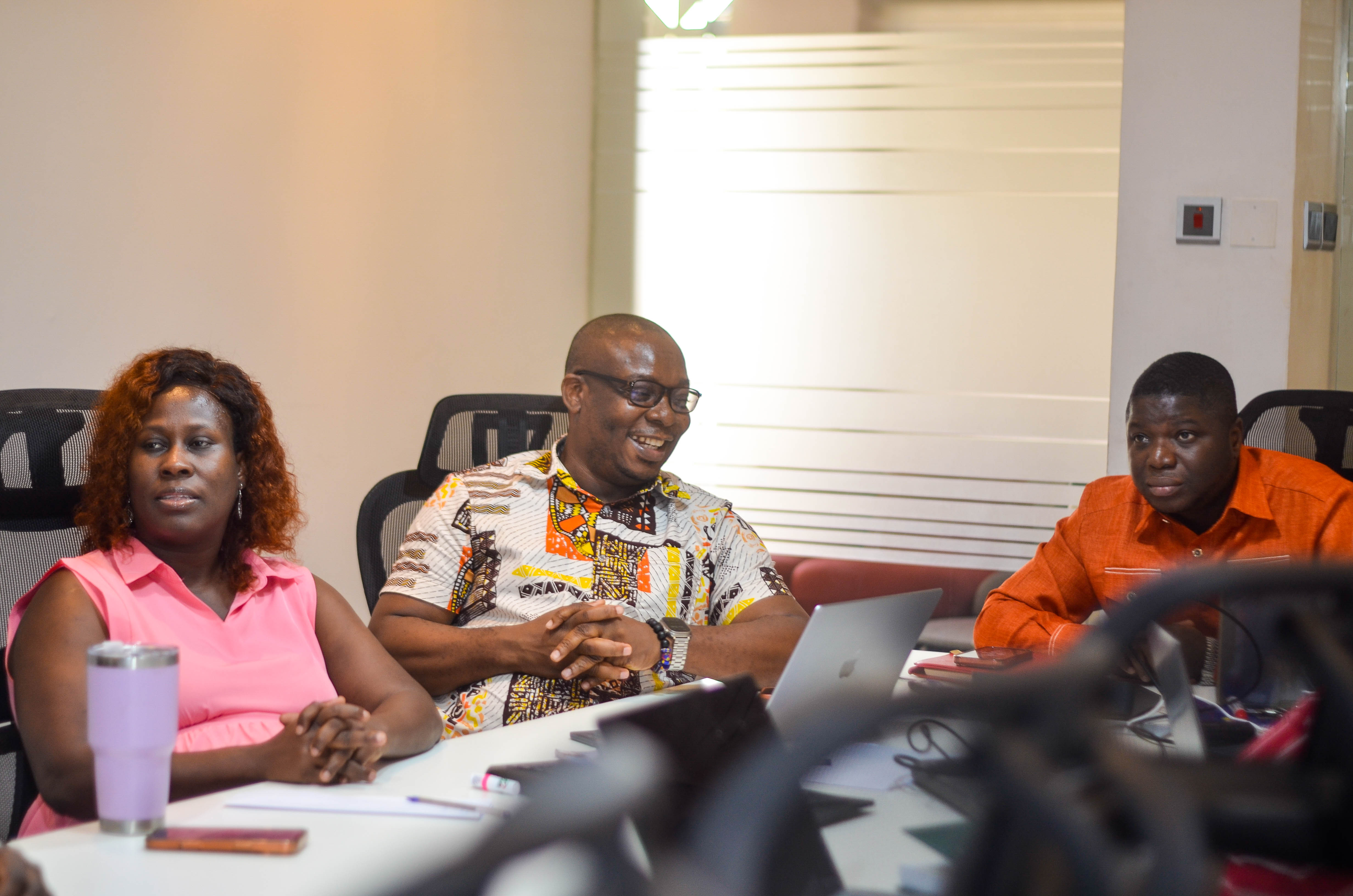
GRAIN, DIPPER Lab and partners hold GEDI Framework red-teaming workshop
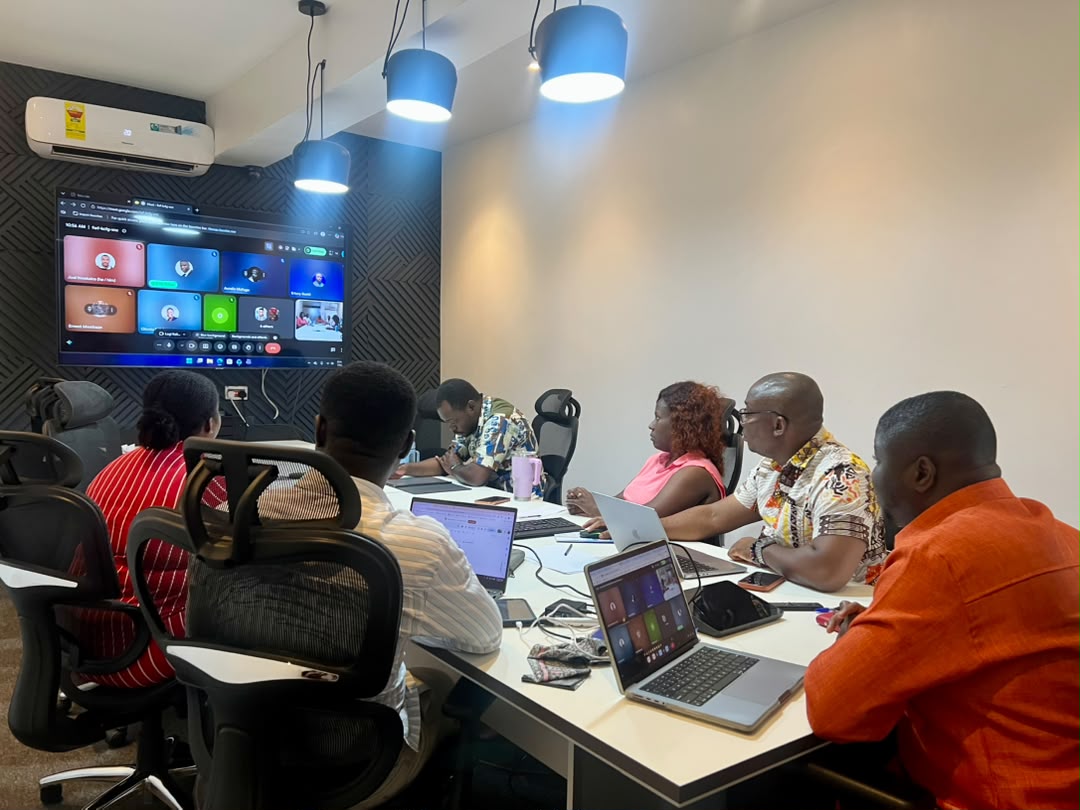
The DIPPER Lab, Gender and Responsible Artificial Intelligence Network (GRAIN), and project partners have held a red-teaming workshop to stress-test the Gender Equality, Diversity and Inclusion (GEDI) Framework developed for the Smart Indigenous Weather App (SIWA) and other funded projects from YUX Design and Kwara State University.
The workshop formed part of activities under the Artificial Intelligence for Development (AI4D) programme and brought together partners and grantees of the EmpowerHerAI initiative to assess and strengthen the framework's ability to support inclusive and responsible AI solutions.
Participants reviewed the framework through a series of discussions aimed at identifying potential gaps, biases and implementation challenges.
The exercise also explored how factors such as age-related disparities may affect the adoption and use of digital tools and whether existing interventions adequately address inclusion concerns.
The GEDI Framework was developed to guide the design and deployment of SIWA, ensuring that gender equality, diversity and inclusion considerations are integrated throughout the technology development process.
Speaking during the workshop, the Scientific Director of DIPPER Lab, Prof. Eric Tutu Tchao, highlighted “the need to incorporate sustainability into inclusive AI frameworks to ensure they remain effective and adaptable over time”.
The workshop also provided an opportunity for EmpowerHerAI grantees to share updates on their projects and exchange insights on advancing gender-responsive and responsible artificial intelligence across Africa.
The initiative is being implemented through the ObaaSIWA project, a gender-focused intervention that seeks to strengthen the capacity of female farmers within the SIWA study area to make accurate short-term rainfall predictions by integrating indigenous weather forecasting knowledge with digital technologies.
Contributing to discussions on inclusion, Ernest Mwabaze questioned how age-related disparities influence the use of digital tools and whether age should be considered a key factor in designing inclusive AI solutions.
Responding, Gender and Inclusion Lead at DIPPER Lab, Dr. Elikplim Abui Tamakloe, shared observations from activities under the ObaaSIWA project, noting that older women actively participated in training sessions organised for beneficiaries.
According to her, “the experience demonstrated that age is not necessarily a barrier to the adoption of digital technologies when appropriate support and training are provided”.
Dr Marame Cisse Sow underscored the need for the funded interventions to be inclusive to help improve access to technology for the vulnerable people.
Prof. Joel Nwakaire of GRAIN described the GEDI Framework as a "living document" that could serve as a tool for evaluating and auditing AI projects.
"The framework can be used to evaluate projects, guide implementation and support responsible AI development. Sustainability can also come through training and capacity building because many researchers are unfamiliar with these processes," he said.
The workshop brought together members of the DIPPER Lab team, including Deputy Scientific Director, Dr. Andrew Selasi Agbemenu; Administrator, Mrs. Christiana Selorm Aggor; Climate Change and Ecosystem Monitoring Lead, Dr. Enoch Bessah; and grantees from partner institutions.