CarbonXtras Project installs soil sensors at Ejisu
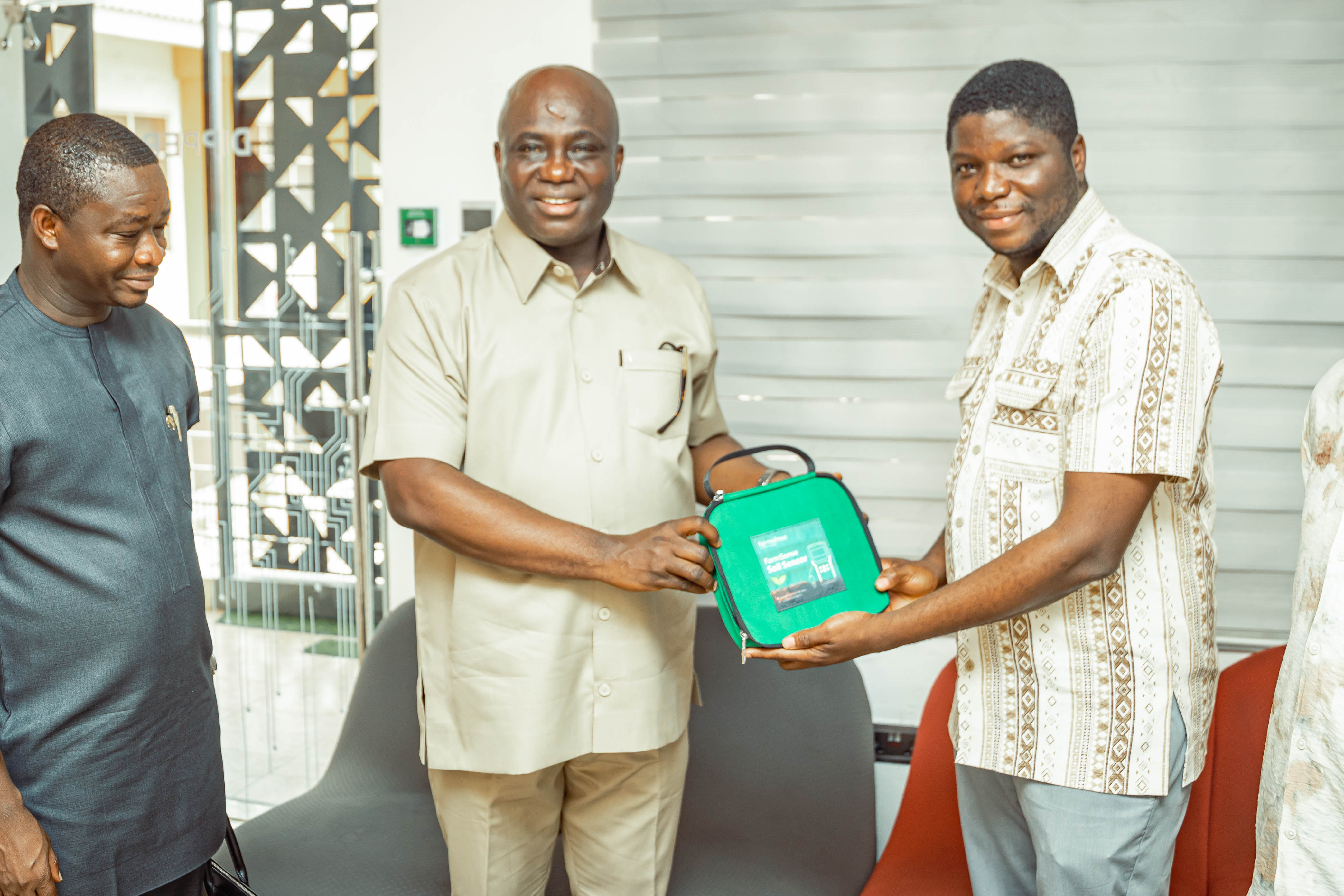
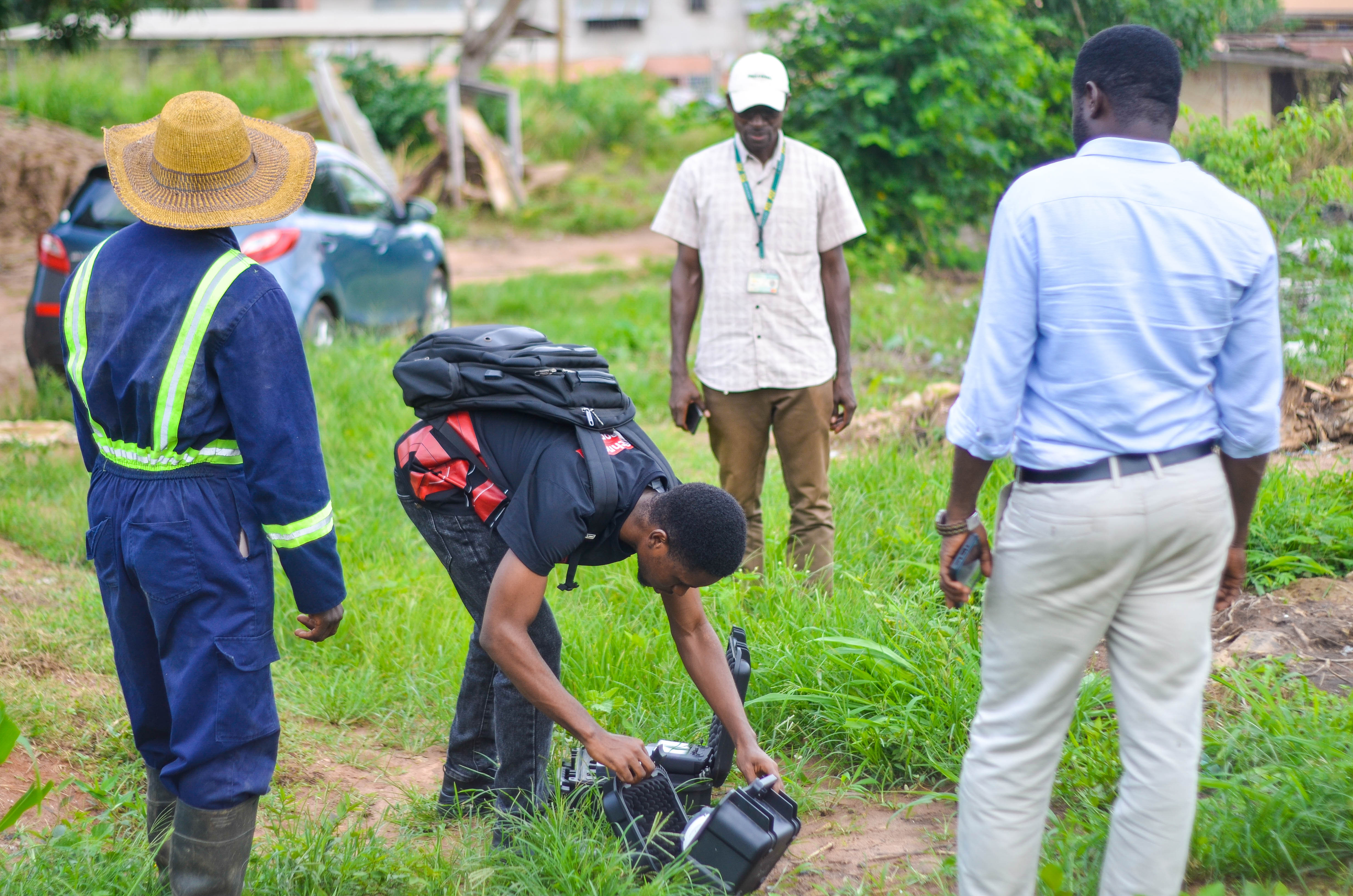
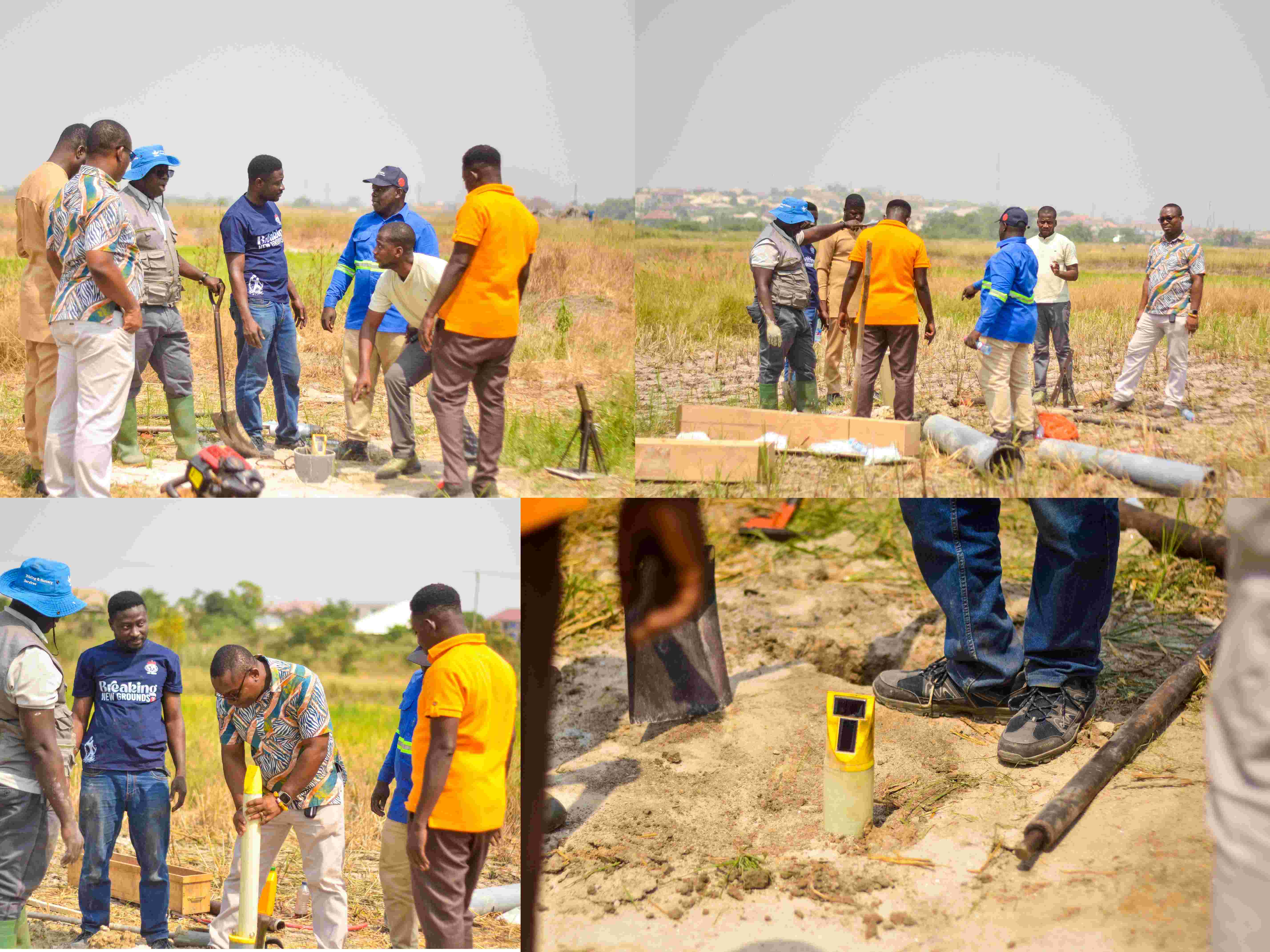
The CarbonXtras Project has installed soil monitoring sensors at Ejisu in the Ashanti Region as part of efforts to support climate-smart agriculture in Ghana.
The installation forms part of a multi-country collaboration involving the James Hutton Institute (UK), CSIR–Crops Research Institute (Ghana), Embrapa (Brazil) and Sonavision (UK).
The project is funded under the Innovate UK Climate-Smart Agriculture Partnership (UK–Brazil–Africa), with additional support from DIPPER Lab at KNUST, the African Initiative for Nature-Based Solutions (AINAS) and the Ministry of Food and Agriculture (MoFA).
The sensors will provide real-time data on soil quality, carbon storage and emissions.
The data will be used to establish baseline soil health, monitor changes over time and identify areas where interventions can improve crop yields.
The project also aims to support farmers’ access to premium markets and carbon credits.
Dr Caleb Melanya Ocansey, Co-Principal Investigator of the project and Lead for Partnerships at DIPPER Lab, led the team that carried out the installation.
The CSIR and DIPPER Lab team were also on site to support the process, including Prof. Eric Tutu Tchao, Scientific Director of DIPPER Lab, Dr. Andrew Selasi Agbemenu, Deputy Scientific Director, DIPPER Lab, Dr. Enoch Bessah, Climate, Environment and Ecosystem Service Monitoring Team Lead, DIPPER Lab, Dr. Charles Afriyie-Debrah, Senior Research Scientist, CSIR–Crops Research Institute, Pastor (Engr) Kwame Onwona-Simpe (PE-IET), Instrumentation and MRV Lead for the ACE4ES Africa Consortium hosted by CSIR–CRI and Dr. Frederick Nai Charkley, Lecturer, Department of Civil Engineering, KNUST.
Data generated will support evidence-based decision-making for farmers and policymakers, while contributing to national and regional climate action goals.