DIPPER Lab tests SmartNitro technology at KNUST agricultural farm
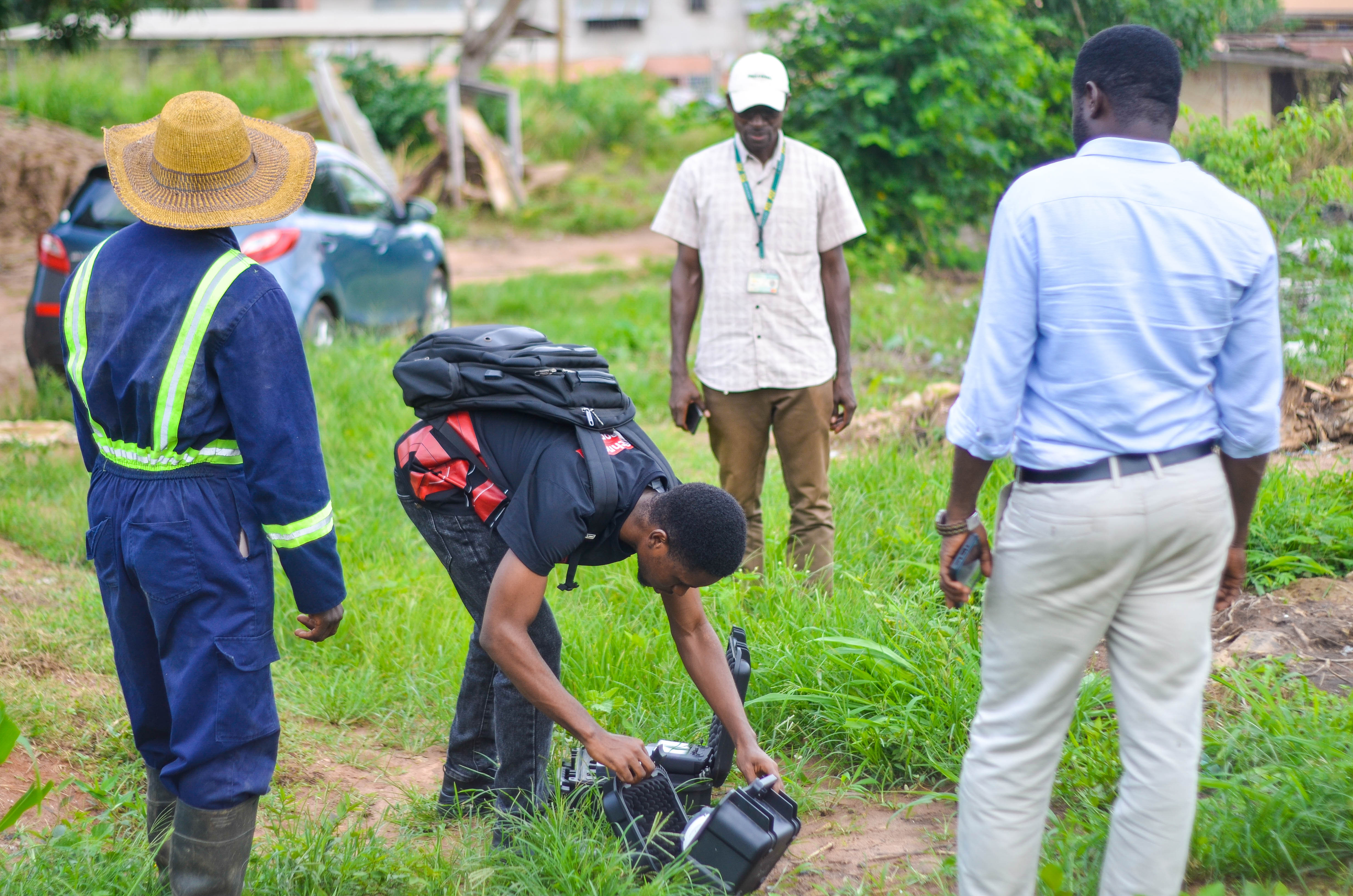
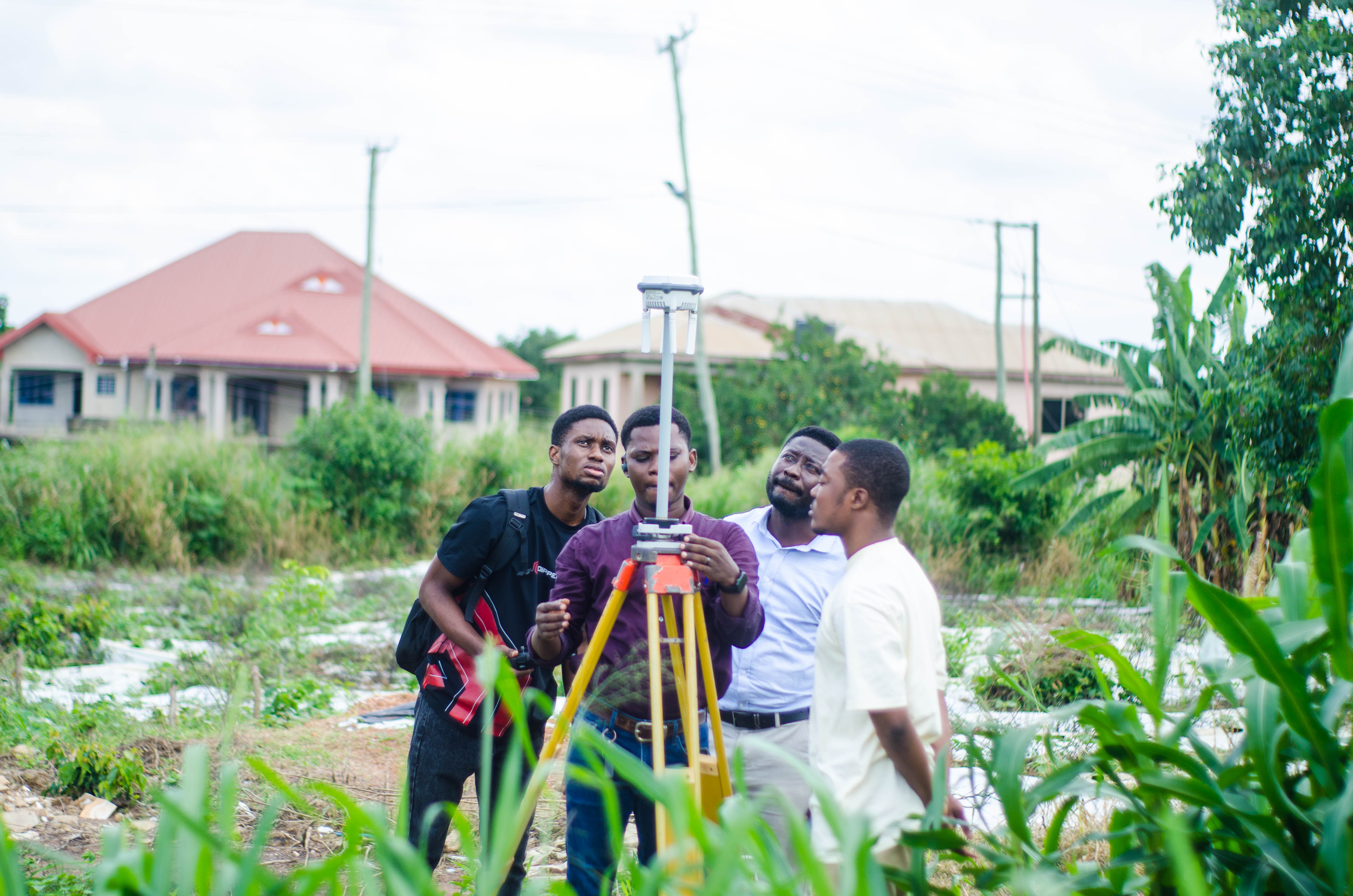
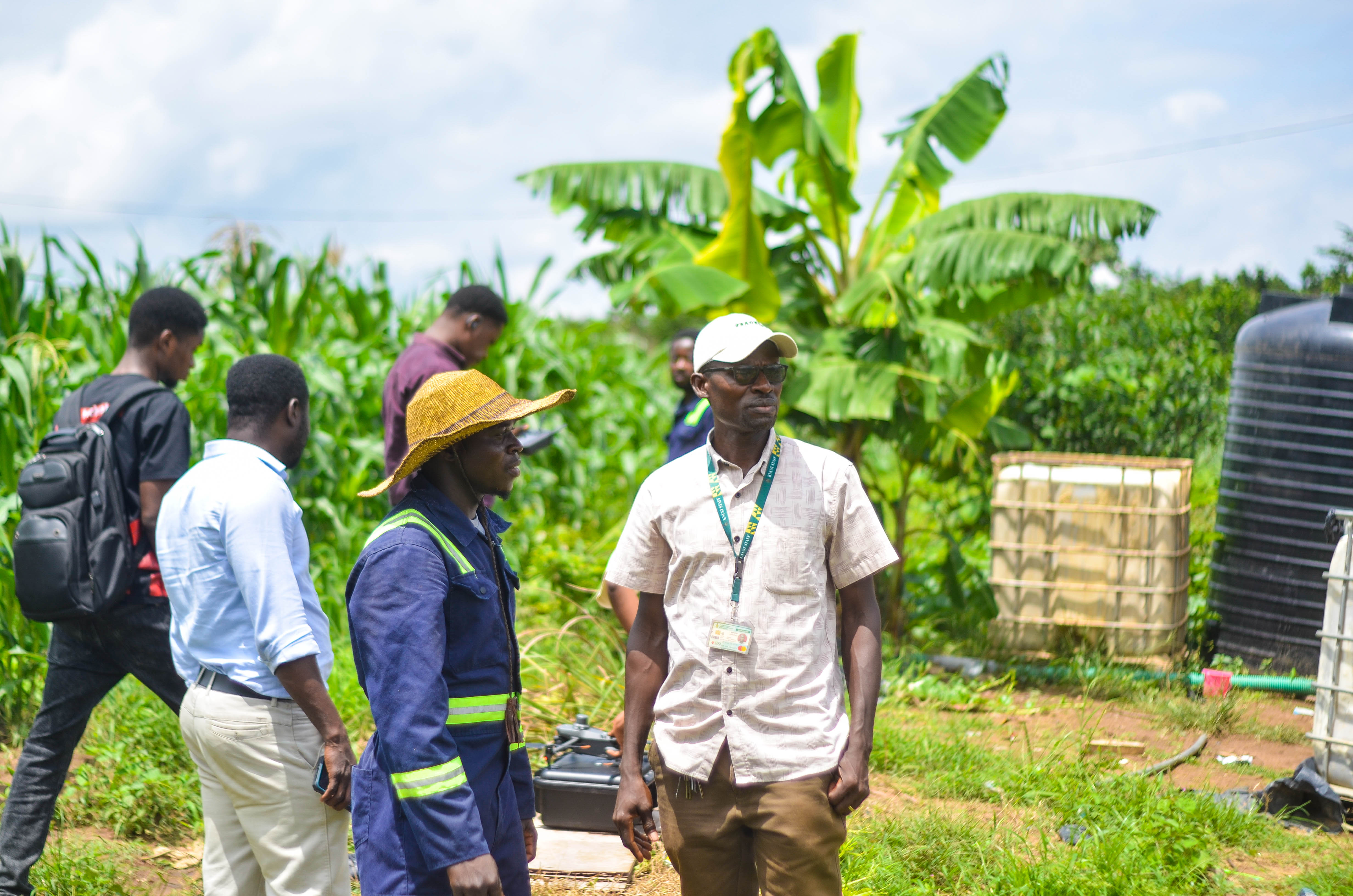
The DIPPER Lab at the Kwame Nkrumah University of Science and Technology (KNUST) has conducted a field test of SmartNitro, an innovation aimed at improving nitrogen management in agriculture through AI-driven technologies.
The exercise was led by the Climate and Ecosystem Monitoring Lead at DIPPER Lab, Dr. Enoch Bessah, at the Centre of Excellence in Agrifood Systems farm.
SmartNitro is one of seven innovations being developed by the DIPPER Lab with support from the Going Global Partnerships Grant 2025, an initiative of the British Council that promotes innovation and collaboration between African universities and global partners.
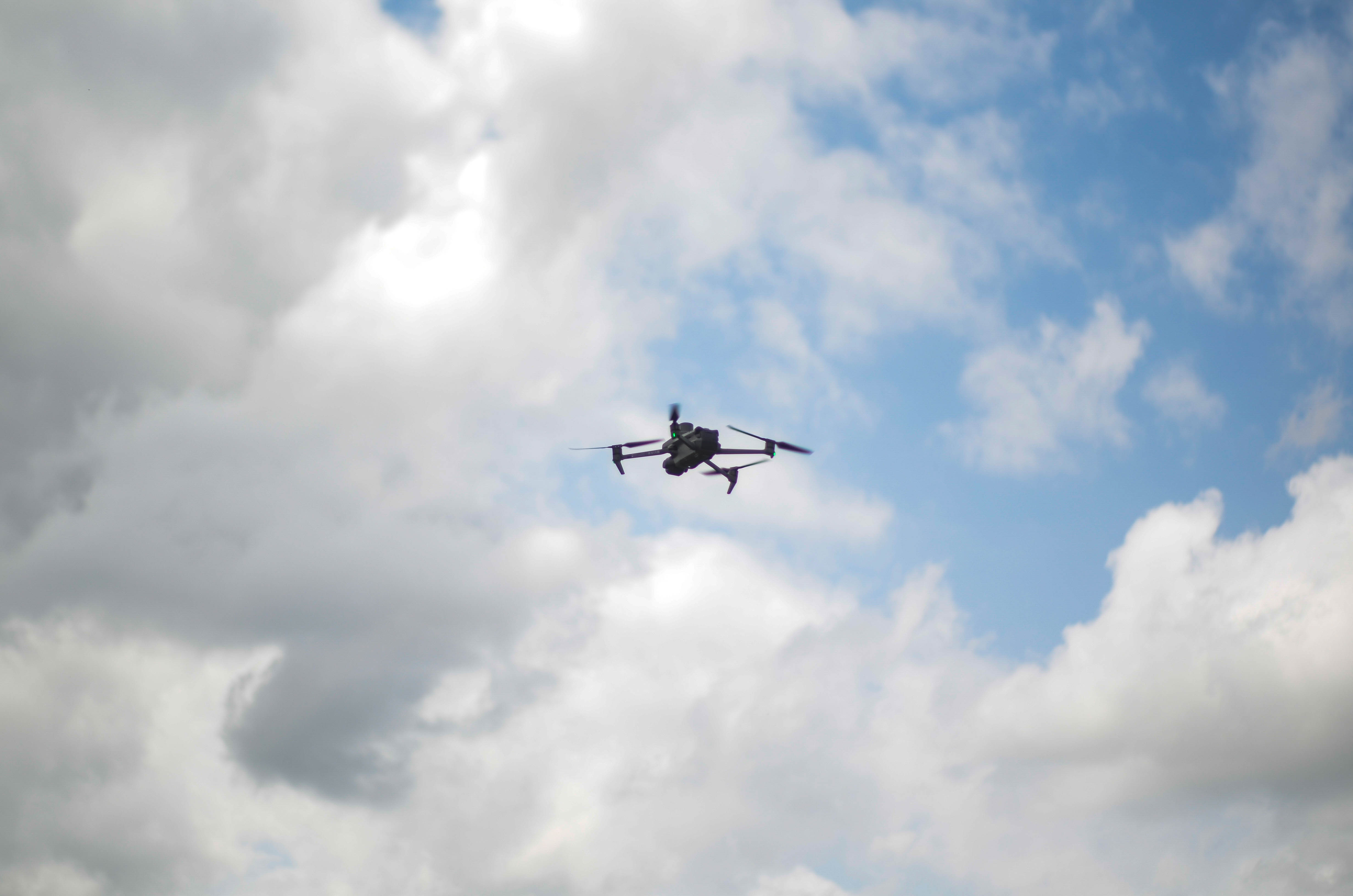
According to Dr. Bessah, the project seeks to determine whether drone imagery can be combined with AI models to predict the nutrient content of crops and identify areas that require nitrogen application.
"We want to find out whether we can apply our models from the Lab on drone images to predict the nutrient content of crops. Instead of taking measurements plant by plant, across a large area, we want to use drones to collect data and apply models that can indicate where nitrogen is needed on a farm," he said.
He explained that the team is comparing drone imagery with chlorophyll measurements taken directly from maize plants to establish a relationship between the signals captured by the drone and the nutrient status of the crop.
The goal, he noted, is to generate maps that can help farmers identify sections of their farms that require nitrogen application rather than applying fertilizer uniformly across entire fields.
"This will allow a farmer to patronize drone flight over their maize farm and obtain a map showing which areas need nitrogen and which areas do not," he added.
Dean of the Faculty of Agriculture at KNUST's College of Agriculture and Natural Resources, Prof. Fred Nimoh, welcomed the collaboration and underscored the importance of partnerships in advancing agricultural research and training.
"We always need to collaborate. Our students will also benefit from the opportunity to participate in this work and gain practical experience," he said.
The project forms part of efforts by the DIPPER Lab to explore the use of digital technologies and data-driven approaches to support precision agriculture and improve resource management in farming.