“AI and Sensor Data Are Changing Soil Carbon Monitoring Across Africa” — Dr. Agbemenu
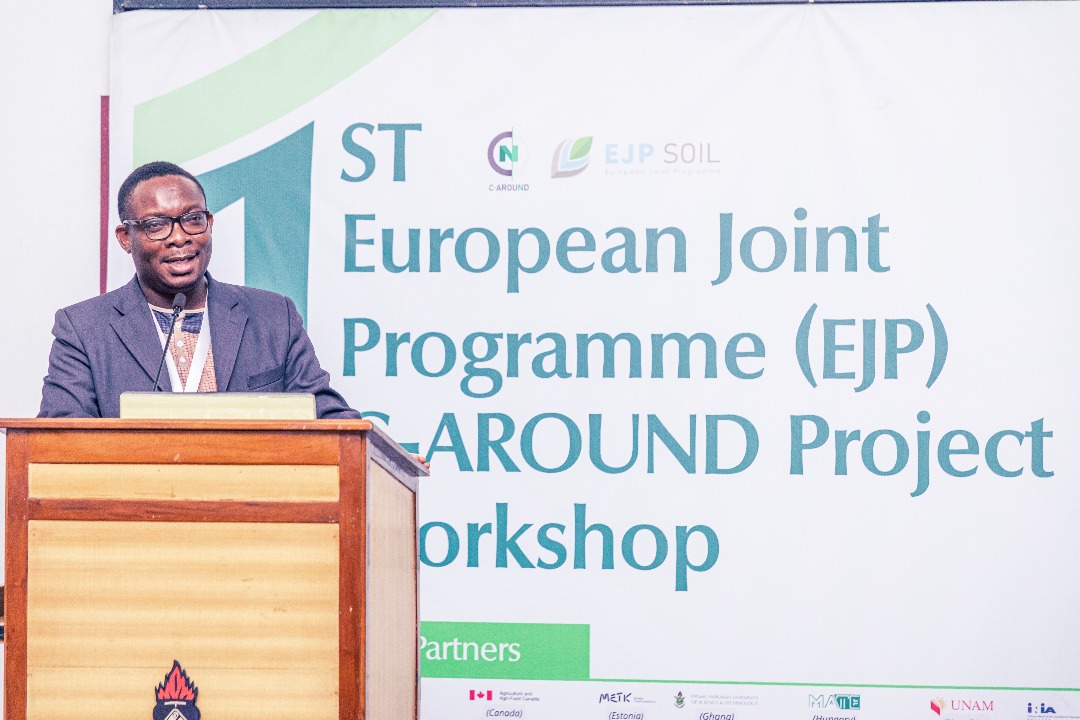
The Distributed IoT-Platforms, Privacy and Edge-Intelligence Research (DIPPER Lab) joined researchers and agricultural experts on Day Two of the maiden European Joint Programme (EJP) C-arouNd Project Workshop at the Kwame Nkrumah University of Science and Technology (KNUST).
The day’s discussions focused on “Regenerative Practices and Innovations on Soil Carbon and Greenhouse Gas Emissions.”
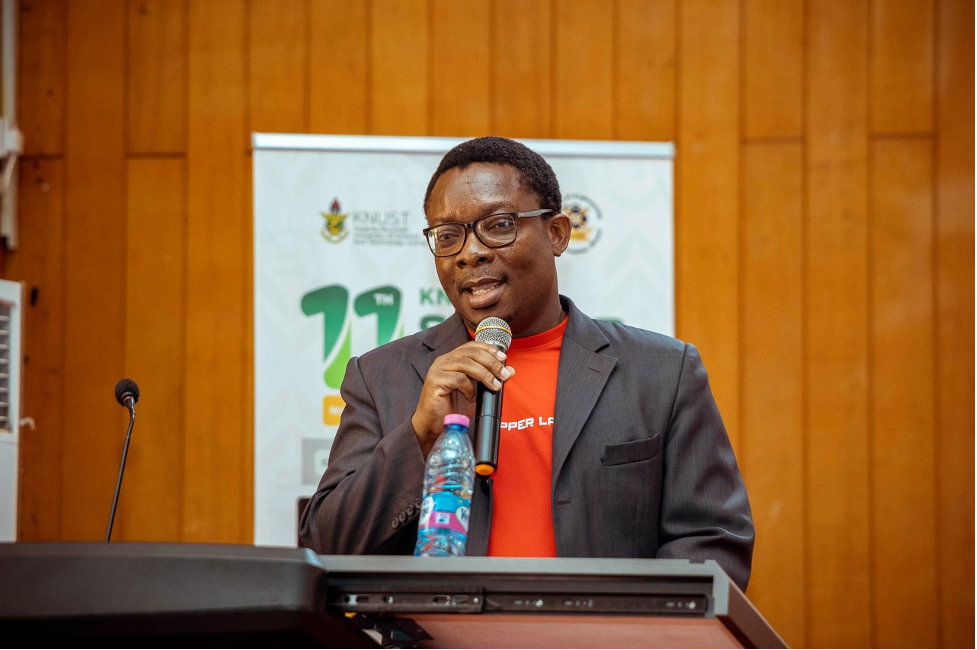
Dr. Andrew Selasi Agbemenu, Deputy Scientific Director of DIPPER Lab, presented on the topic AI-Powered Soil Carbon and Greenhouse Gas Monitoring, explaining how intelligent sensing technologies are reshaping agricultural data collection and analysis across the continent.
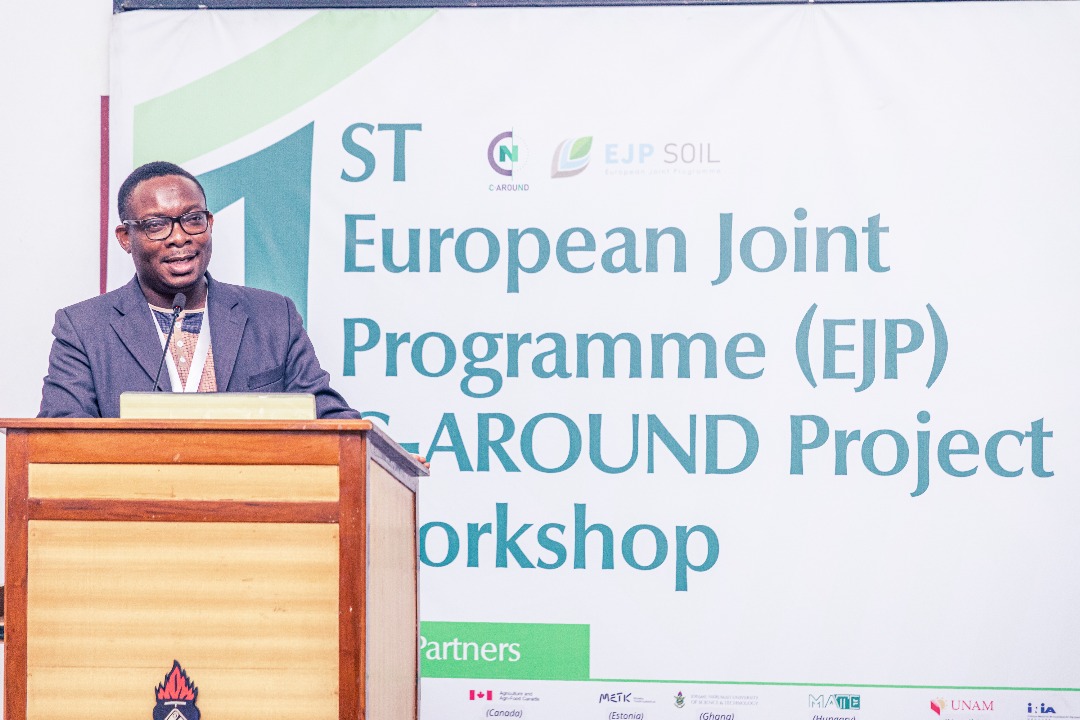
Dr. Andrew Selasi Agbemenu, Deputy Scientific Lead, DIPPER Lab
“AI and sensor data are changing how we monitor soil and crops in real time. We use sensor, satellite, and drone data together in what we call data fusion, this allows us to detect changes in soil health, crop cover, canopy temperature, biomass, and tillage patterns,” Dr. Agbemenu said.
He noted that continuous monitoring enables early detection of undesirable changes, which can then be addressed before they escalate into larger problems.
Dr. Agbemenu also highlighted the success of Monitoring, Reporting, and Verification (MRV) systems implemented across Africa, noting that these approaches have already generated valuable insights for soil carbon management.
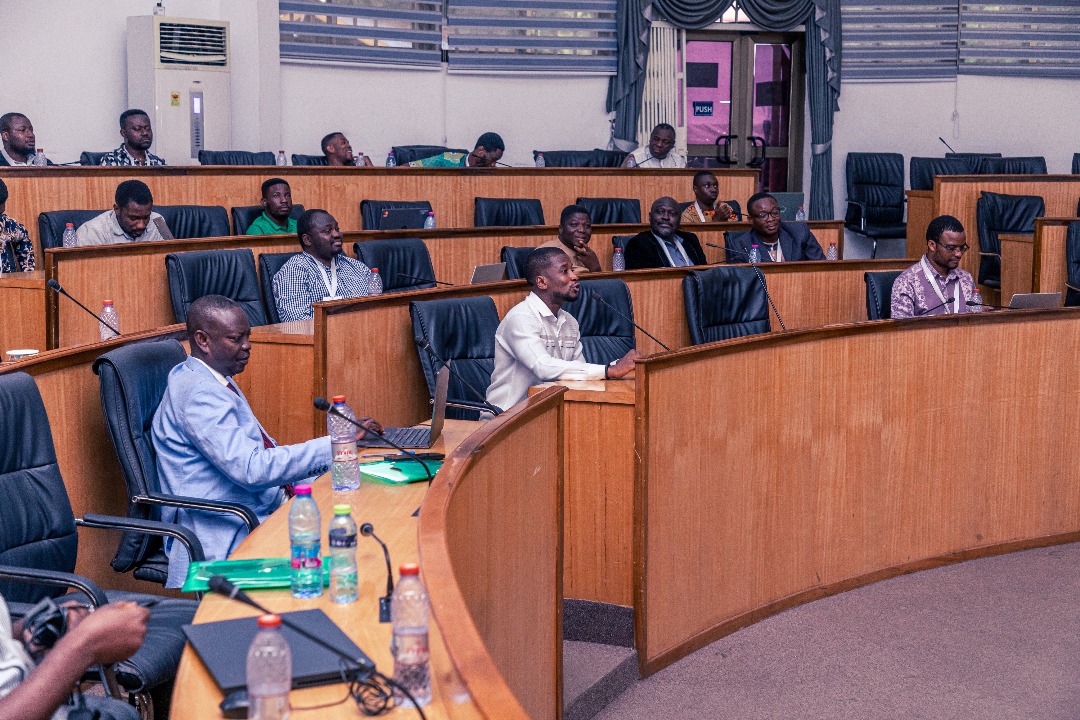
“Across the continent, different projects have collected over 10,000 field measurements.
These datasets have been used to train AI models for carbon stock prediction, sequestration rate estimation, and greenhouse gas flux forecasting,” he explained.
He revealed that the models developed from these data have achieved a 0.92 correlation score, reflecting strong predictive accuracy.
Citing a case study from the Maize Baskets of Kenya, Dr. Agbemenu said sensor networks deployed for carbon monitoring have resulted in an 18% increase in soil carbon retention, a 32% reduction in greenhouse gas emissions, and about $2.4 million in carbon credits since 2014.
The EJP C-arouNd Workshop, which focuses on regenerative agriculture, carbon storage, and greenhouse gas reduction, continues to bring together researchers, policymakers, and innovators exploring sustainable agricultural solutions.
DIPPER Lab’s participation highlights its commitment to advancing AI-driven technologies for climate-smart and sustainable agriculture through data integration and collaborative research.